Built for what’s next: Fisher’s mission to disrupt undergraduate education

The future of business is arriving faster than ever.
Artificial intelligence is reshaping industries. Disruption is becoming the norm rather than the exception. And employers are searching for talent that is skilled in navigating complexity, communicating across disciplines and bridging growing gaps between business strategy and technological innovation.
At the same time, Ohio is emerging as one of the nation’s fastest-growing technology and innovation hubs, fueled by historic investments in advanced manufacturing, semiconductors, logistics, mobility and data infrastructure.
The Ohio State University Max M. Fisher College of Business is staking a claim that the undergraduate business experience must evolve to meet this moment now.
That belief is fueling its ambitious effort to disrupt undergraduate business education by creating a future-ready experience designed to prepare Business Buckeyes to thrive as resilient leaders, problem-solvers, bridge-builders and communicators in an increasingly tech-dependent economy.
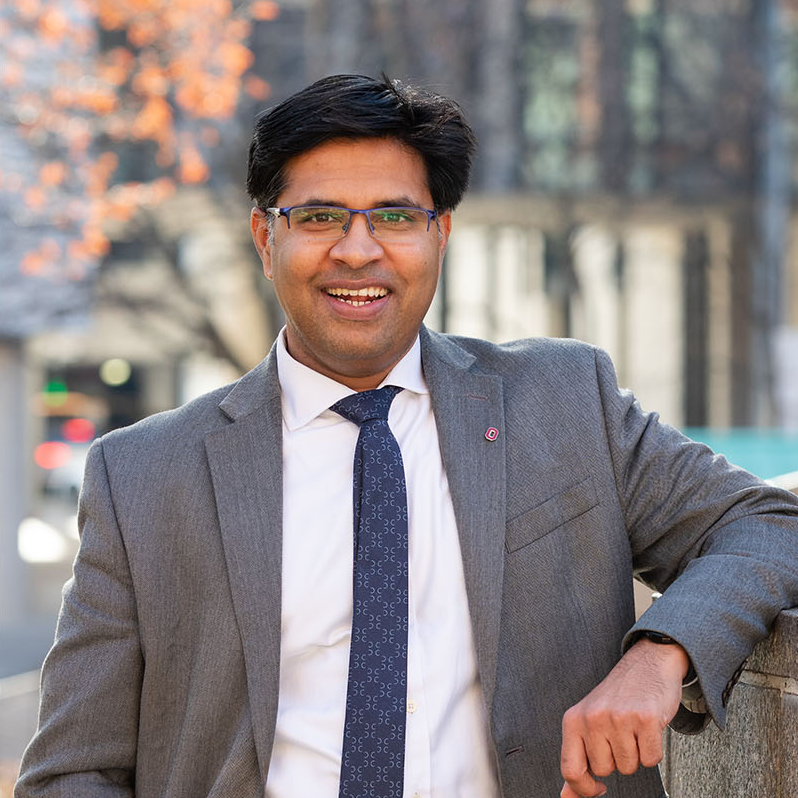
Powered by Ohio State’s scale, its interdisciplinary strength and Fisher’s expanding industry connections, the college is launching a new undergraduate experience that unifies a future-focused curriculum, hands-on learning, student development and career preparation into a more cohesive and intentional journey.
“This is about recognizing that the demands of employers and the realities of business have fundamentally changed ― and then doing something about it,” said Aravind Chandrasekaran, interim dean and John W. Berry, Sr. Chair in Business at Fisher.
“As part of a land-grant university with a unique mission to ensure that Ohio is a pace setter in growth, innovation and impact, our reshaped undergraduate experience will create business students ready to anticipate and respond to the needs of today’s employers responding to today’s challenges.”
The effort is rooted in a redesigned curriculum but encompasses far more.
The reimagined undergraduate experience introduces students to business learning earlier in their college journeys while also creating stronger connections between classroom education and real-world application. The approach emphasizes key skills designed to transform students into business-technology integrators capable of blending the digital agility and critical thinking required by today’s marketplace.
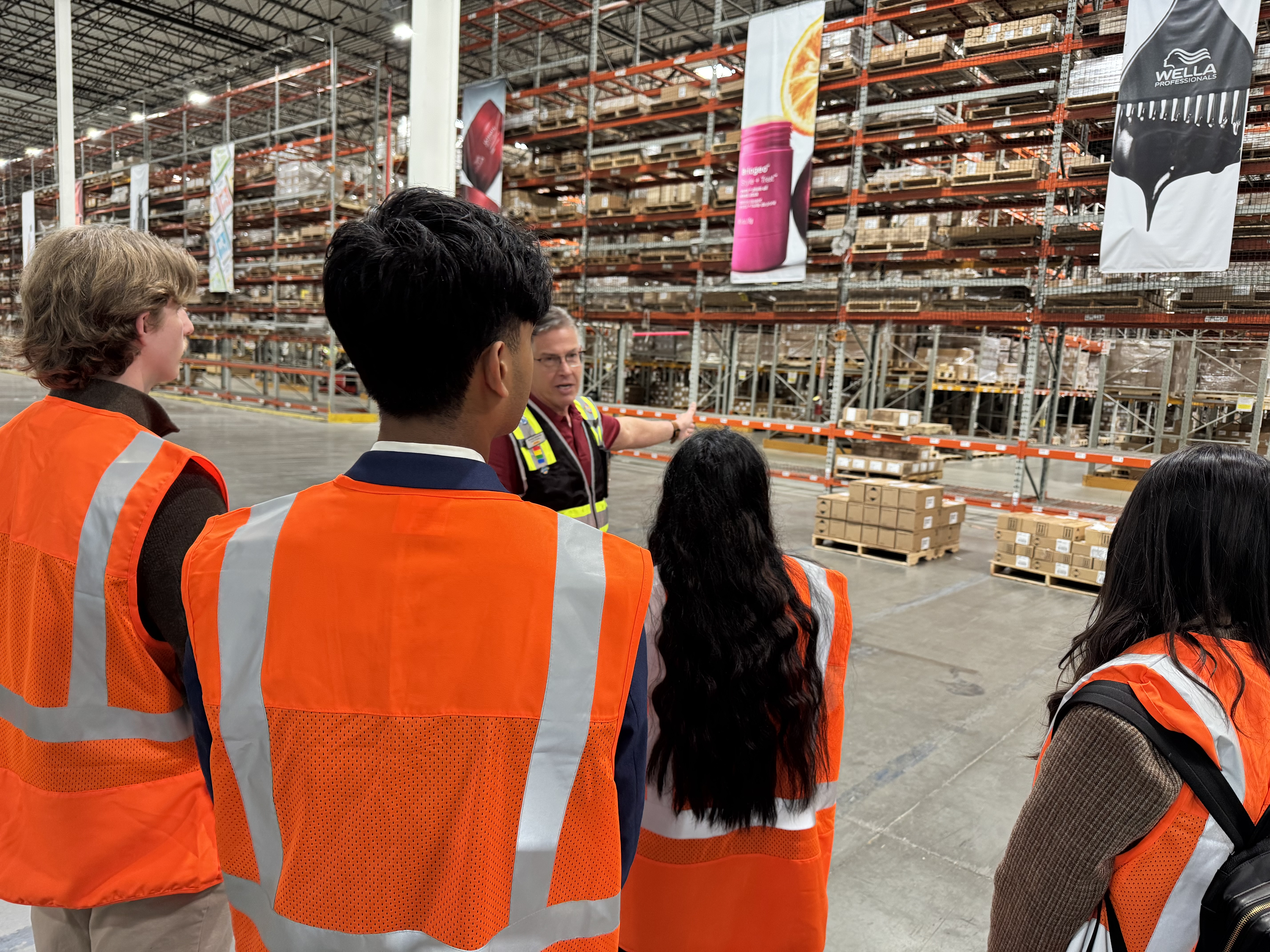
Students will experience smaller class sizes, stronger cohort connections and more intentional engagement with faculty and industry leaders. They will gain earlier exposure to business specializations and future career pathways while building the resilience and professional judgment employers increasingly demand.
Central to this effort is recognition that hands-on learning cannot exist on the margins of this new undergraduate business education.
“Experiential learning is essential to preparing students for modern careers,” Chandrasekaran said. “We want students applying concepts, solving real challenges and engaging directly with companies early in their Fisher experience and much more often.”
That philosophy is shaping new investment in experiential learning opportunities, including:
- more sponsored site visits at partner companies
- a strengthened Industry Immersion program
- meaningful engagement with top business leaders.
The focus on these initiatives, coupled with strengthened offerings that already exist, will help students build technical knowledge, as well as communication, collaboration and adaptability skills.
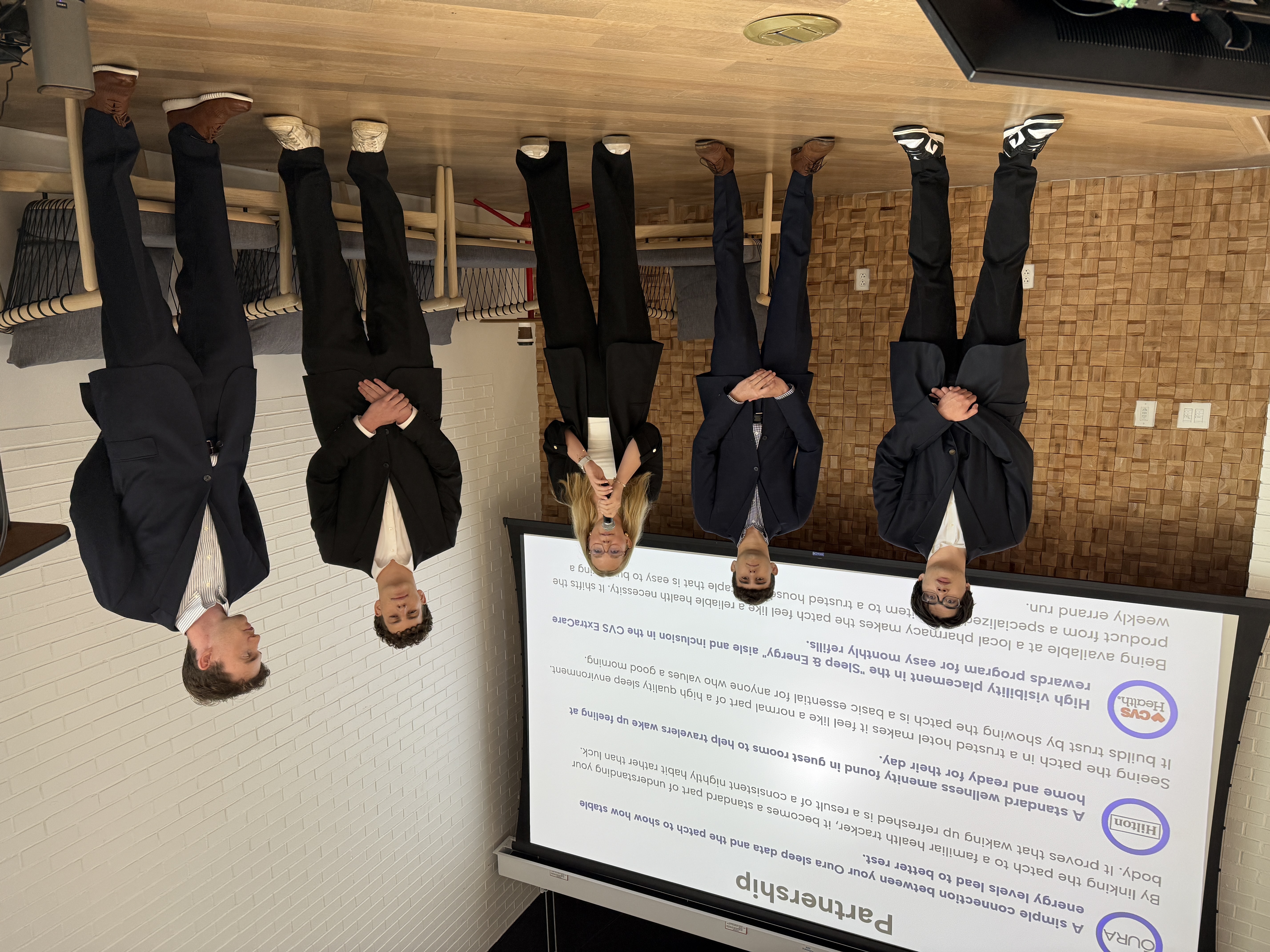
The emphasis on experiential learning, coupled with a refreshed curriculum, will yield graduates equipped in four key areas to excel in any industry. This matrix ― the Fisher Advantage ― is the college’s unified framework for developing future-ready graduates. The model defines the capabilities students will build throughout their undergraduate journeys, ensuring intentional growth across academics, experiential learning and career preparation.
The Fisher Advantage focuses on developing graduates who are:
- business experts
- analytical and innovative problem-solvers
- effective communicators
- and resilient and growth-oriented leaders
“This is about creating graduates who are built for the future,” said Keely Croxton, associate dean for undergraduate programs. “We’re creating an undergraduate experience that builds a more holistic graduate, one who is ready and hungry to thrive at this new intersection of business, technology and opportunity.”
The timing of the new undergraduate experience is intentional.
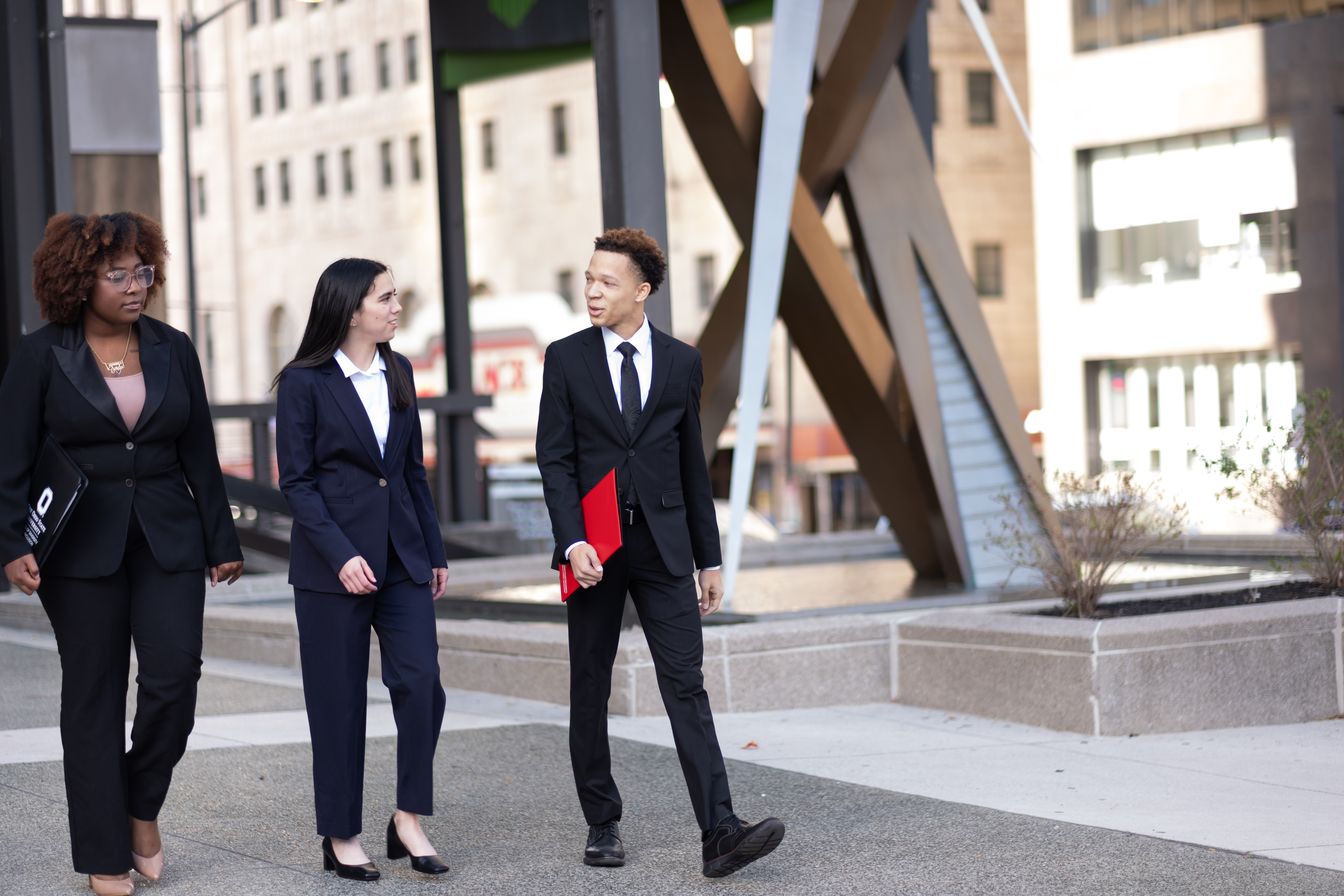
Ohio’s position as an emerging leader in innovation and technology investment presents a unique opportunity for Fisher students. The state’s growing ecosystem of technology companies, startups and global corporations creates an ideal environment for deeper collaboration between higher education and industry.
For example, Nationwide Insurance ― headquartered less than three miles from Ohio State’s main campus in Columbus ― is investing $300 million in AI as part of a larger $1.5 billion spend on technology over the next three years.
“Ohio is becoming an epicenter for technology growth and business transformation,” Chandrasekaran said. “As part of the state’s flagship university, we are in an incredible position to create opportunities for our students to learn directly from organizations at the forefront of business while building the capabilities employers need right now”
“The result is a talent pipeline that’s ready to answer the question ‘What’s next?’”
From artificial intelligence and data analytics to supply chain innovation, operations management and organizational leadership, faculty and staff across Fisher are helping drive this transformation.
“Our jobs as educators are to prepare students for not only what’s happening now, but also for what’s around the corner,” said Associate Professor of Logistics Vince Castillo, who is bringing AI to life in his supply chain classroom.
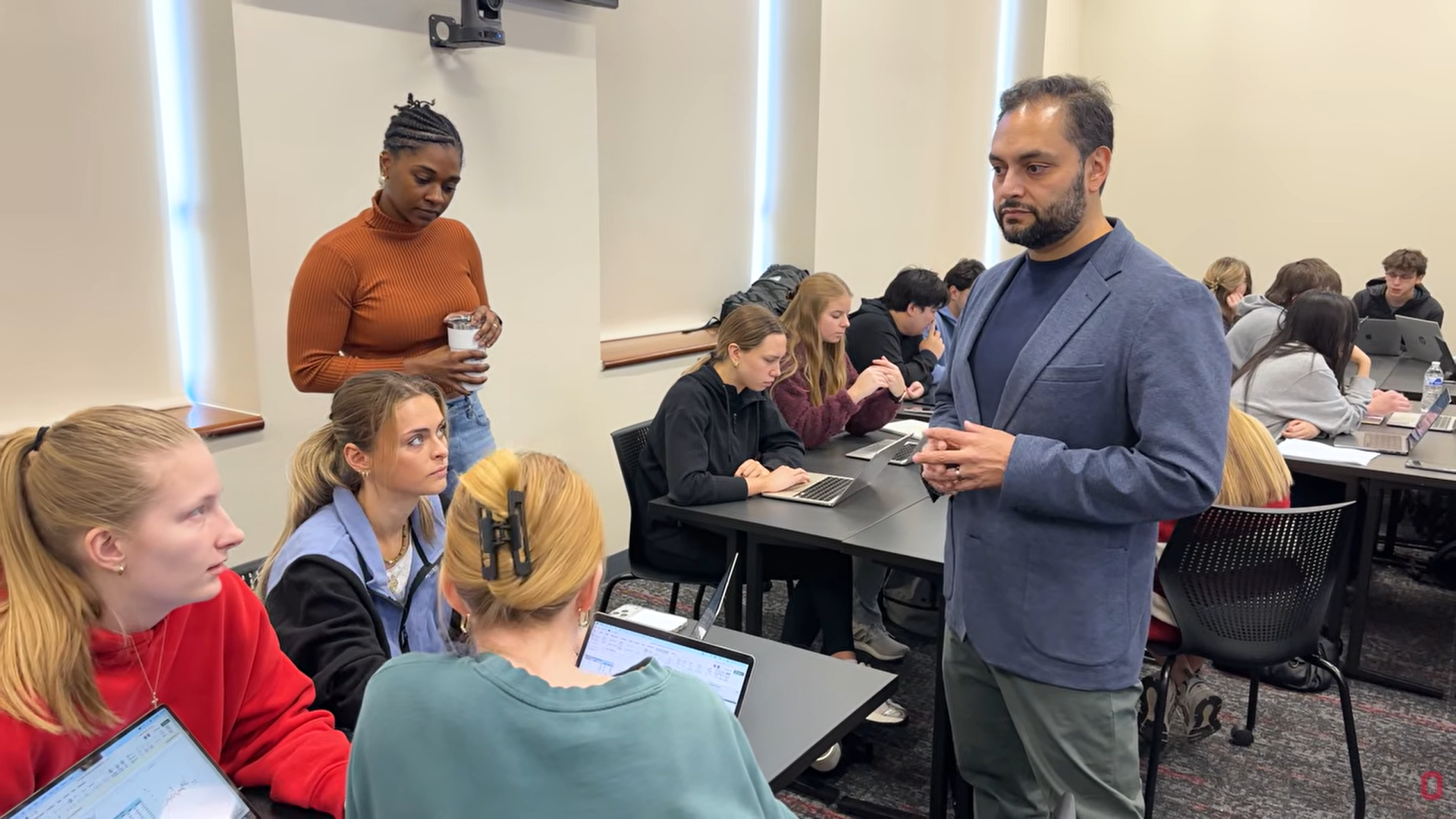
“This pace of change ― and how we’re proactively preparing for it ― is a challenge; but it’s also exciting.”
What Fisher is building is more than a redesigned undergraduate program; it is a blueprint for how business education must evolve in an era defined by constant disruption and limitless possibility. By combining the power of interdisciplinary learning, emerging technologies, experiential education and deep industry collaboration, the college is positioning Business Buckeyes not simply to adapt to the future, but to help shape it.
The new undergraduate experience will pilot in autumn semester 2026 with a full launch planned for autumn 2027.
"This is about recognizing that the demands of employers and the realities of business have fundamentally changed ― and then doing something about it."