2026 Fisher Alumni Awards honorees: legacies of excellence

Success is only part of their story.
Fisher’s 2026 Alumni Awards recipients have dedicated themselves to strengthening organizations, advancing industries and serving their communities.
These exceptional alumni and distinguished corporate partner represent visionaries, innovators, entrepreneurs and devoted leaders whose impact in business and in the world reflect Fisher’s values and enduring legacy of excellence.
Established by Fisher’s Alumni Board more than 30 years ago, the 2026 awards celebrate graduates R.H. (“Ric”) Dillon, Mae Smitherman-Smith, Amy Werner Chronis, Steven Trulaske, Sr., Craig Baldwin and Ciare L. James.
We asked this year’s honorees to reflect on the insights, experiences and values that have guided their journeys, challenges they have met and what this recognition means to them.
Read more about this year's honorees and the 2026 Alumni Awards ceremony.
2026 Alumni Awards recipients
Distinguished Leadership Award: R.H. (“Ric”) Dillon (BSBA ’77, MA ’86)
Serendipity launched R.H. (“Ric”) Dillon’s investment career, but honesty, humility and a collaborative spirit ultimately advanced his success as a leader in his industry and community.
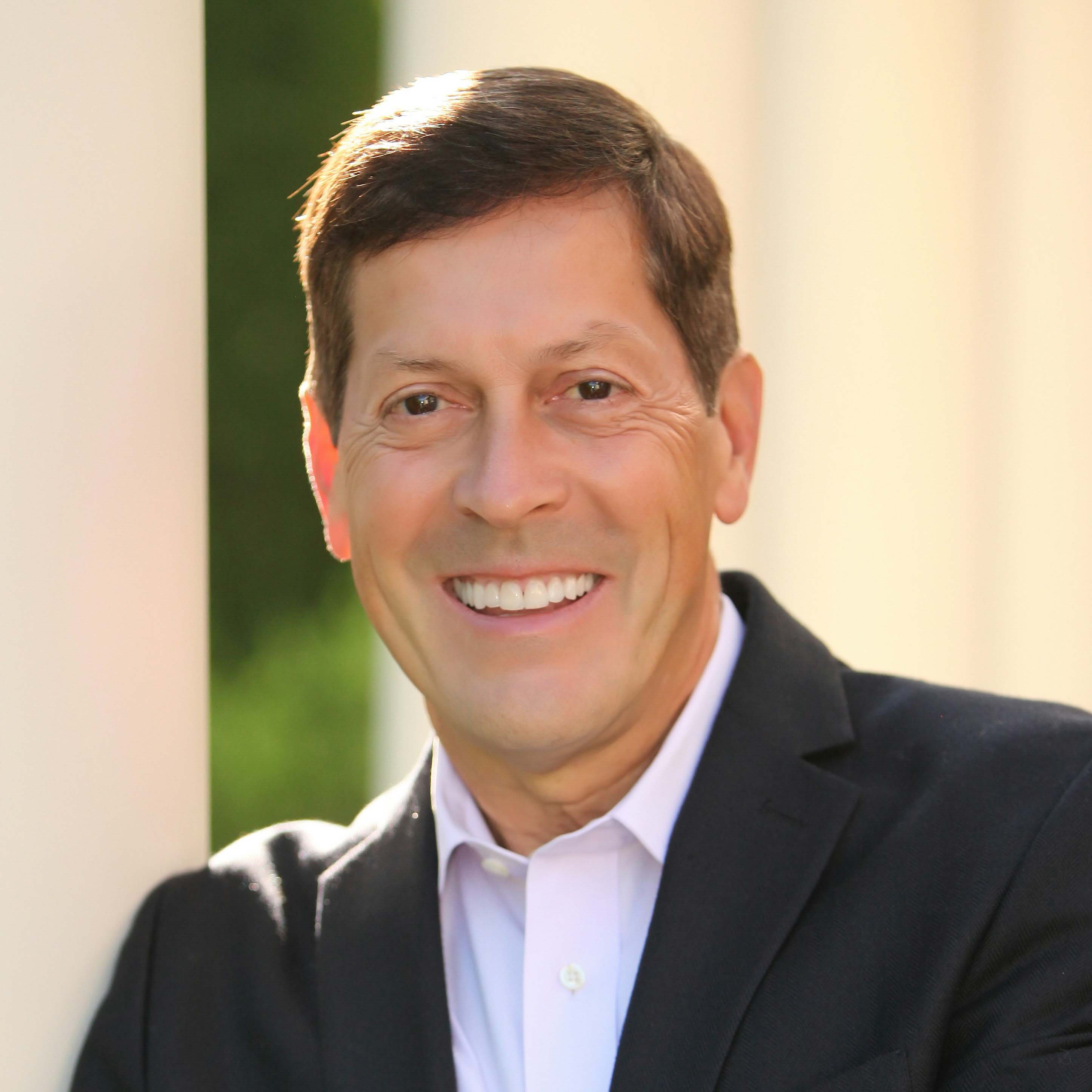
“None of it happens alone,” said Dillon, CEO of VELA Investment Management LLC. “It takes a great team of people who respect each other, who like each other and who work hard and row in the same direction. Without my colleagues, none of this would have been possible.”
He previously worked for Ohio Public Employees Retirement System, Loomis Sayles and Diamond Hill Investment Group, where during his 15-year tenure the company ranked in the top 1 percent of all public companies.
Throughout his more than 40-year career, Dillon has prioritized clients, mentored staff and provided Fisher students with real-world lessons about the highs and lows of investing, leadership strategies, team building and more.
For his visionary leadership and commitment to fostering the next generation of investment leaders, Dillon has been named the recipient of Fisher’s 2026 Alumni Award for Distinguished Leadership.
We asked him to share his thoughts about leadership, investing in tomorrow’s business leaders and what this award means to him.
Q. What early experiences or mentors shaped your understanding of what it means to be a principled leader?
I've had two truly notable mentors: David Meuse and Don Shackelford. Each, in his own way, shaped how I think about principled leadership, especially the need for strong communication with colleagues and clients in a services industry like ours.
David was the first chairman when we changed the company to Diamond Hill, and over the 10 years he served in that role, he helped build a culture rooted in excellence, meritocracy and integrity. He was like the brother I never had — I grew up with three older sisters, so that relationship meant a great deal to me.
Don Shackelford later took over as chairman, and he was every bit as important to me. He was more like the father I never had. Don was one of the smartest people I've ever met, and also one of the funniest — someone whose company I thoroughly enjoyed. Between the two of them, I learned what it looks like to lead with both integrity and warmth.
Q. What leadership decisions do you believe are most critical to the level of success you have achieved in the organizations you've served?
One thing that is different about our industry from most is that as a fiduciary, we must prioritize our clients. That's what we always have to think of first, and at times it can come at personal cost, but that's what's called upon for a fiduciary.
A big part of that is alignment: if you don't invest side by side with your clients, it's easy to get distracted and start doing things for yourself instead. But if the only thing you can do is invest right alongside your clients, then you are going to stay focused on them.
Having both clients and colleagues genuinely embrace what we're trying to achieve has been essential. Our colleagues need to understand the importance of the effort we make on our clients' behalf, and our clients need to know our investment decisions are honest and genuine. That trust between both parties is vital.
Q. How have service and stewardship influenced the way you've built teams, mentored colleagues and contributed to your community?
Two things stand out. The first is the importance of communication and collaboration. The second is decentralized decision-making — giving individuals real ownership and authority over their respective areas.
That's been true from the earliest days of building teams. When our current portfolio managers were young analysts, I gave them a lot of autonomy in helping build out the research team and shape our investment philosophy and approach — a genuinely flat, collaborative organization where people learned by doing. I've always believed you have to create that kind of flat research structure: those of us who've been through market cycles, mistakes and successes have knowledge to impart, but the younger people bring things we learn from in return.
Transparency mattered too. When Diamond Hill was public, my compensation was disclosed alongside everyone else's, and I actually had colleagues who made more than me. That wasn't a problem — it communicated fairness, and it set a tone of trust throughout the firm.
Ultimately, I've found that building a team of people who respect and like each other, and who are willing to work hard and grow, is what stewardship really comes down to — for a business, and for a community.
Q. You continue to give back to Fisher in many and various ways. What motivates the commitment to being so present in students' learning experiences and what impact do you hope to have on the next generation?
I've had a long relationship with Ohio State; one I've deeply valued. I'm tremendously grateful to the school for both the education and the opportunities it gave me, and I'm committed to continuing that relationship for the rest of my life. This award is a meaningful recognition of that.
I've been fortunate that long after I graduated, I was frequently invited back to speak with students, either in group settings or in the classroom. Building on that, back when I ran Diamond Hill, we started a formal program with Fisher: our colleagues would go in as guest lecturers, rotating through the course for the entire time it was offered. Many of my colleagues took part, and I hope we have the chance to do it again someday. We still get occasional invitations for a guest lecture or a talk to a group of students, but internally we've talked about restarting the full program under VELA's sponsorship, if Fisher would find that valuable.
Continuing the thread from my earlier answer, understanding the importance of the effort we make and why we do this work: for most of my career, through both companies, we've been one of the few, if not the only, true asset management firms based in Columbus. Because of that, we think it's especially important to help foster the next generation of investors here, to build up that knowledge base locally, the way it was built up in me.
That's really what motivates the commitment: Ohio State invested in me, and that investment shaped my entire career. Helping develop the next generation of investors, in turn, feels like the most worthwhile way I can invest that same trust back into Fisher and into Columbus.
Q. Is there any piece of advice you would give to young alumni who want to lead with purpose, or a young investor just starting out?
I'd start with humility. There's a great deal of uncertainty in the world, and in investing we're reminded of that regularly. Humility keeps us grounded and helps us navigate challenges we can't foresee… because we don't know the future.
The second, and related, is curiosity. It comes from not knowing yet wanting to learn and grow. You'll never know everything, or even most things — but the knowledge and experience you do accumulate should serve your effort as a fiduciary serving clients.
Q. Do you have a favorite memory from your time at Ohio State or Fisher?
Absolutely. And it's a small moment that had an enormous impact on the trajectory of my career, so it easily stands out.
At the end of winter quarter of 1977 (Ohio State was still on quarters then, and the quarter ended in March), one of the five classes I was taking was Investments 722, taught by Steve Buser. Finals were the week before Spring Break, and as it turned out, none of my other four classes had a final during that week… only Investments 722 did.
So, like any college student, I figured that if I could talk Professor Buser into letting me take the final early, I'd get an extra week of Spring Break. I went to his office (Hagerty Hall, at the time) and taped to the wall beside his door was a 3x5 index card that read "Bond Trader," followed by a phone number: 466-8640.
I thought, there's a job opening, and I don't have one lined up for after graduation in June… maybe I should call. So, I copied down the number, went in to see Professor Buser (who did let me take the final early), and called.
I got an interview. It turned out the position had opened because a young trader had just moved from the bond side to the stock side, leaving his spot open. They interviewed me and asked when I could start. I said I had two weeks of Spring Break free, and after that, for my final quarter, I could work Monday, Wednesday and Friday until graduation.
They said they'd let me know. Then, by the time I got home, my mother told me I'd already gotten a call. "We'll see you Monday."
My entire career started because of that visit to Professor Buser's office. That's easily my favorite memory. My whole career rests on that serendipitous moment.
Empowering Excellence Award: Mae Smitherman-Smith (BSBA ’90, MBA ’95)
Mae Smitherman-Smith learned very early the importance and impact of mentoring and encouraging others to realize their full potential.
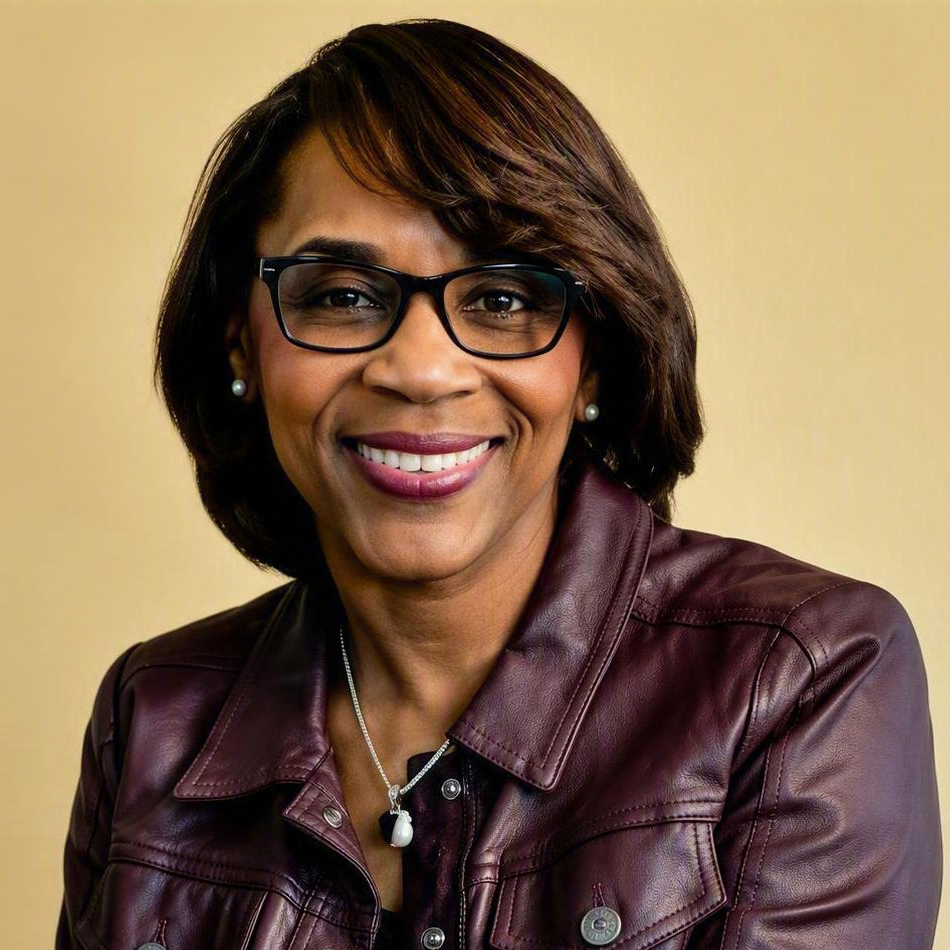
At home, she watched her father, the first African American PhD chemist for Procter & Gamble, recruit and inspire other Black professionals and top chemists. At Ohio State, an alum recognized her capacity for success and offered her a summer internship at the Ford Motor Company. Now, more than 31 years later, she is Ford’s executive director of Global Supply Chain Finance and investing in others in her workplace, community and beloved alma mater.
“I absorbed mentorship not as a formal practice but as a value,” she said. “It became an organic, inherited piece of who I am. That inheritance has carried directly into how I operate in corporate America today.”
For her profound commitment to nurturing growth, amplifying voices and creating opportunities for future generations, Smitherman-Smith has been named the 2026 recipient of Fisher’s Alumni Award for Empowering Excellence.
We asked her to reflect on her career, her motivation for lifting others and what this award means to her.
Q. Your 31-year career at Ford spans roles from analyst to executive director. What pivotal moments or decisions most shaped your path into senior leadership?
My path into senior leadership at Ford was shaped early — and often unexpectedly. It began with a recruiter, John Rickel, an Ohio State alumnus who offered me a summer internship between my two years of MBA study. That internship led to a full-time offer, and once I joined Ford, John encouraged me to join the recruiting team.
A pivotal moment came when I arrived early to a meeting and shared with John the next role I'd been slated for; without hesitation, he redirected me toward Product Development instead. I told him I was set to move in a couple of weeks — it didn't faze him. Within a week, I was assigned to Product Development as a V/L profit supervisor, my second promotion in three months and only my third role at Ford. That position proved foundational: it exposed me to how every element of the income statement was impacted by different business inputs, widening my aperture as a Ford finance professional and giving me the ability to understand critical financial levers and influence operating partners in strategic discussions for the rest of my career. That foundation led directly to my fourth role — selection as the finance representative in an Executive Partnering program, where I shadowed top leadership across the business, including the CFO, the president and CEO and four other senior leaders. This experience added a global, strategic lens to my toolbox, allowing me to observe firsthand how senior leaders drove the business through key metrics, built high-performing teams and used external benchmarking to stay competitive. Alongside these formative roles, the mentors, advocates and sponsors who invested in me early on were critical to my success — and they taught me a lesson I still carry: that networking and involvement beyond the "day job" matter just as much as performance within it.
Just as important as these pivotal Ford moments is the foundation I brought with me into the company. I grew up in a household that nurtured collaboration, excellence, a drive for results and a commitment to giving back — raised by a father with a PhD in organic chemistry, a mother with a master's degree, five older brothers and a maternal grandmother who lived with us my entire life. That environment organically equipped me with skills that served me well long before Ford: in my marketing role at Eastman Kodak, in earning a full-ride MBA at The Ohio State University and ultimately in building a successful 31-year career at Ford — one defined not only by my own advancement, but by a parallel commitment to helping others reach their full potential.
Q. How do you balance delivering strong business results while also investing in the growth and voices of others?
Balancing strong business results while investing in others requires a deliberate approach to time and data management. I actively architect my schedule to establish structured meeting cadences and streamlined approval forums, while continuously ensuring that our organization design, core processes and people are fit for purpose for their respective positions. This operational discipline eliminates inefficiencies and empowers teams to execute autonomously, creating the operational leverage needed to reliably deliver top-tier business results without sacrificing leadership commitments. By establishing this structural foundation, I protect the dedicated bandwidth necessary to champion talent and elevate diverse perspectives across the enterprise. It creates deliberate space on my calendar to conduct meaningful mentor discussions, lead finance recruiting to attract and build a strong diverse talent pipeline and actively contribute as a member of the Executive ERG Council and mentor to two of our ERGs to amplify employees voices.
Ultimately, I do not view driving business results and developing people as competing priorities; rather, a well-structured organization creates the capacity to invest in others, and an empowered, diverse team is what sustains long-term business performance. In addition, I prioritize my role on the Fisher College of Business Alumni Board, the establishing of a scholarship that supports Fisher students to complete their studies, and my role on Alternative for Girls Detroit nonprofit board and finance committee as additional ways outside of Ford that I focus on giving back to the community at large.
Q. You’ve been deeply involved in mentoring — at Fisher, within Ford and across the industry. What motivates your commitment to developing others, and what impact have you seen mentorship have on careers?
My commitment to developing others is rooted in my earliest experiences of family and community. I grew up in a household with five brothers, my parents and three grandmothers — a home that was, in many ways, a living lesson in what it means to invest in one another. My father, the first African American PhD chemist at Procter & Gamble, didn't just break barriers himself; he built a safe space for other Black professionals within the company and traveled back to HBCUs to recruit top PhD chemists. Watching him with his colleagues and friends throughout my childhood, I absorbed mentorship not as a formal practice but as a value — it became an organic, inherited piece of who I am. That inheritance has carried directly into how I operate in corporate America today.
I've learned countless lessons throughout my own career progression — insights that have proven essential to landing in the right places at the right times and building sustained success. Keeping that knowledge to myself has never felt like an option. I see it as a responsibility: paying forward what was given to me and ensuring others have access to the same guidance, perspective and support that shaped my path. The impact of mentorship shows up in tangible, measurable ways — promotions earned, placement in key roles that accelerated careers and advice that was followed and led directly to someone's stated aspirations being realized. It also shows up in quieter, equally important ways: helping someone navigate a difficult conversation so it lands the way it's intended or coaching someone on how to advocate for themselves with clarity and confidence. Perhaps the clearest signal of impact is reputation by word of mouth — mentees referring other mentees, colleagues telling someone, "you really should talk to Mae." Even my own admin has noted the sheer volume of one-on-one mentee sessions on my calendar. That volume isn't incidental; it's a direct reflection of priority. Mentorship isn't something I fit in around my work, it is part of my work, and paying it forward remains one of the most important commitments I carry, both at Fisher and throughout Ford and the broader industry.
Q. This award is presented to an alum who inspires others to rise. Was there a mentor or professor who did that for you?
My time at The Ohio State University — both as an undergraduate and later returning for my MBA — was shaped by mentors whose influence changed the entire trajectory of my life. It began in my freshman year, when most students waited until junior year to apply to the business school. Wanting to understand the process early, I met with advisor Germaine Simpson — a single action that changed everything. Through that conversation, I learned I could apply as a sophomore, which I did, and was accepted. Once inside, I discovered a genuine love for analytical coursework even as a marketing major, prompting me to make a deliberate choice: stay in marketing for undergrad, but pursue an MBA in finance. Germaine became a true mentor — someone I'd stop in to see with questions, who introduced me to scholarships I never would have known existed. Eventually, working in her office gave me direct access to companies and the internship pipeline, which led to a scholarship-funded internship at Eastman Kodak after my sophomore year, internships with IBM during my junior and senior years and ultimately a full-time offer from Eastman Kodak at graduation. When I returned three years later for my MBA, I received a full fellowship and immediately reactivated the network I had built — a testament to how those early relationships compounded over time.
That same period introduced me to David Harrison, who became just as instrumental to my journey. He served as advisor to the Council of Black Students in Administration when I was president as an undergraduate, and later to the Black MBA Association when I returned for my MBA and served as its president. He helped prepare our team for the case competition at the NBMBAA conference and consistently prioritized helping students, no matter the question. His impact extended beyond my own career: years later, I brought my son, David Andrew — now a senior honors student at Fisher — to meet him. David shared stories and photos from our old events and offered guidance that ultimately played a critical role in my son choosing The Ohio State University over the University of Xichigan, despite it being right down the street.
Looking back, this journey distilled into three lessons that have guided my career and life ever since. First, opportunities rarely fall into your lap — but for those genuinely invested in their own success, advocates are ready and willing to help. Second, while we often celebrate having great advocates, advocating for yourself is just as essential; showing up, asking questions and seeking out resources is what opens doors in the first place. And third, no one succeeds alone — building a network is not optional, but critical. I learned all three lessons at Hagerty Hall, and they have remained the foundation of everything I’ve achieved since, both professionally and personally.
Q. What significance does this award hold for you — personally and professionally?
The significance of the Empowering Excellence Award lies in how deeply it mirrors something I already love doing — showing up for others. Its meaning traces directly back to the foundation my parents and grandmothers built for me. Looking back now, I realize I was learning what it means to pay it forward long before I understood that's what was happening. I am, quite simply, a product of my environment — and that environment set the stage for how I show up in every room I enter, professionally and personally.
That foundation crystallized into what I call my "Big Three" passions: The Ohio State University, mentoring and community service. For me, "paying it forward" isn't a motto — it's a verb. It's something I actively do, not just something I believe in.
What makes this award especially meaningful is that it recognizes the intersection of two things I care about most: the ability to amplify voices, nurture growth and create access to opportunity, paired with the professional successes that have given me the platform to do so at scale. The feeling I get from offering advice, mentoring someone through a critical decision or sponsoring someone into a role that changes their trajectory isn't about recognition — it's about witnessing the impact ripple outward into someone else's life and career. I genuinely love using my experience and access to open doors for others, and this award feels like an affirmation that this purpose — living my values through action — has been seen, valued and is worth continuing to pass on to the next generation of Fisher and Ford leaders and many others.
Excellence in Service Award: Amy Werner Chronis (BSBA ’83)
For Amy Werner Chronis, career success and service to others go hand in hand.
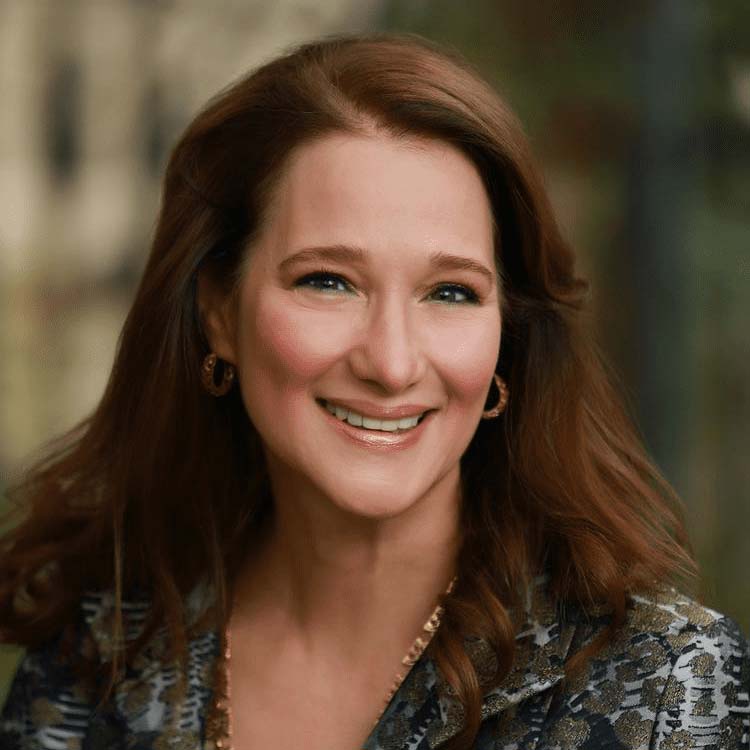
During her more than two decades with Deloitte, she seized opportunities to lead both within her organization and throughout her community, supporting nonprofit, civic and educational initiatives focused on literacy, education and workforce development.
“I strongly believe serving with purpose is integral to a successful happy life,” said Chronis, who retired from Deloitte in 2024 as vice chair and U.S. energy and chemicals leader.
Her passion for service extends to Ohio State and Fisher, where she has been a guest lecturer, committee member and now a charter trustee.
For her unwavering dedication to leadership, service and paying forward, Chronis has been named the 2026 recipient of Fisher’s Alumni Award for Excellence in Service.
We asked her to reflect on her passion for giving back, what it takes to balance a career and community service, her memories of Ohio State and what this honor means.
Q. You built an impressive career at Deloitte while contributing meaningfully to several nonprofit boards. How do your professional career and service experiences inform one another?
My responsibilities serving our people and our clients aligned greatly with also serving our communities. I am blessed and grateful that Deloitte’s culture both encouraged and fully supported service to add impactful value to nonprofit and civic organizations.
I was able to first volunteer early in my career to causes such as literacy tutoring, the United Way and March of Dimes and then progressed to leading various community volunteer initiatives, board committees and then meaningful board leadership roles. I strongly believe serving with purpose is integral to a successful happy life. I continue to have a personal passion for nonprofit efforts especially related to literacy, education and workforce development.
Q. You’ve remained deeply connected to Fisher and Ohio State as a guest lecturer, mentor, former member of the university’s Audit and Finance related Committees and now a current Charter (Nonresident) Trustee. What inspires you to give back, and what kind of impact do you hope to have on current and future Buckeyes?
I remain highly appreciative for the many transformative experiences I enjoyed at Ohio State that helped me successfully navigate and grow in my career and life journey.
My academic life — getting dual degrees in accounting and international studies, especially the rigorous Honors Accounting program, Beta Alpha Psi activities and valuable internships, were instrumental in giving me a sound foundation of both solid technical abilities and effective communication skills. The candid counsel and words of wisdom I received from multiple professors and advisors were invaluable. I benefited greatly and desire to pay forward as much as possible.
It gives me immense pleasure to stay connected to my alma mater with my most valuable asset — my time. I enjoy spending time with Fisher students and am impressed with their caliber and high potential for outstanding accomplishments.
Serving on the board of trustees’ audit and finance related committees for over a dozen years, and now serving as a charter trustee, has enabled me to share my expertise in the hope of continuing to bring helpful impact to this great university.
Q. What practical steps can Fisher students take to balance career goals with community service?
Again, participation with purpose is integral to a fulfilling successful life. It is key that whatever charitable service you choose be something you have passion about or at least strong interest. There are countless causes that need critical volunteer involvement, even if the hours you can allocate are small. I hope our students realize they will be enriched personally, receiving far more than they give. They will be better leaders, family members and friends by aligning with entities during their careers that also help their communities and nonprofit organizations in significant ways.
Q. As a scholar-athlete and Pace Setter honoree, how did your student experience influence your professional path, values and leadership style?
My student experience on the varsity track and cross country teams significantly influenced my life journey. While I entered Ohio State with a degree of competitive spirit and determination, the necessary hard work, focus and perseverance made me much stronger mentally and physically. I was no Olympic hopeful joining the team. I was fortunate to have some academic scholarship support, but I was not a scholarship athlete and had to compete every grueling Monday practice to make the varsity squad for the next week’s competitions. Mondays have been easier ever since!
The teamwork, discipline and relationship experiences helped me develop an effective leadership style of a servant mentality where my role modeling of service values, smart work, positive attitude and adaptability were key.
Q. What’s a favorite memory you carry from your time at Fisher and Ohio State?
I have many happy memories, but by far the most important was meeting my wonderful lifetime partner, my husband John of nearly 40 years! We met by chance in the spring of our junior year in a business finance class in the old Hagerty Hall. We laugh at how lucky we were to have what were originally frustrating scheduling difficulties that enabled us to meet. I had never taken a business class in the evening due to work hours after track practice but needed to take that course that quarter. He had to transfer in from an earlier afternoon section. The rest is history, and we are devoted alumni who enjoy staying connected to Ohio State and Fisher.
Q. What does the Excellence in Service Award mean for you — personally and professionally?
It is certainly an unexpected but wonderful honor for me and my family personally. More importantly, I hope it is a positive example to others in both their personal and professional lives as they choose how to spend their valuable time and resources. I believe in the long-held adage that much is expected of us who have been given a great education that opened up opportunities for lifelong growth and success.
Global Business Excellence Award: Steven Trulaske, Sr. (MBA ’82)
Growing a family-owned manufacturing company into a global enterprise demands vision, resilience and the ability to cultivate trust across borders. Steven Trulaske, Sr., owner of True Manufacturing, exemplifies all three qualities.
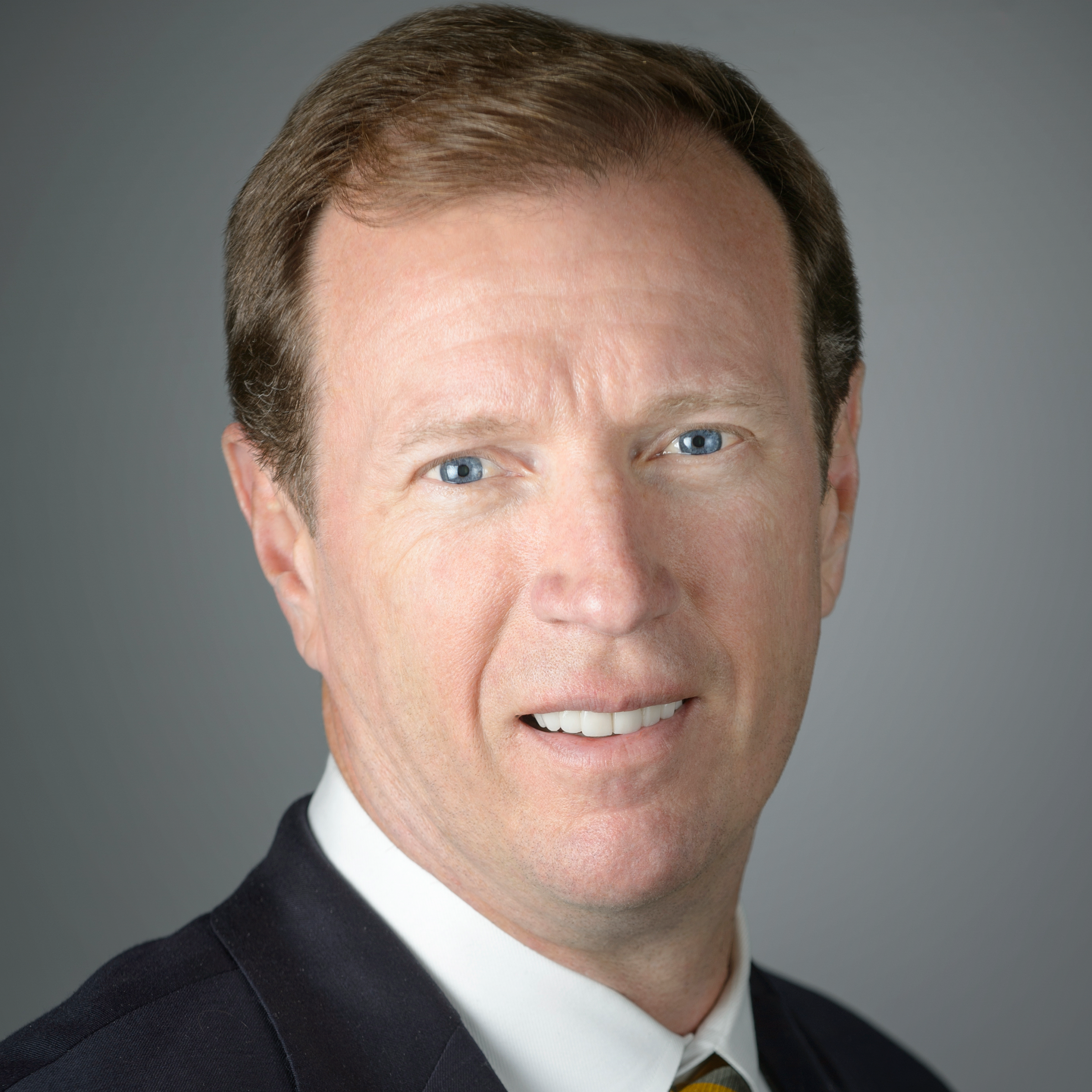
Through perseverance, relationship-building and the capacity to recognize emerging market opportunities, he expanded their commercial refrigeration equipment company into more than 100 countries, establishing it as an industry leader.
“I kept knocking on doors, and eventually my team did the same,” he said. “Over time, those doors began to open. That persistence, combined with patience and a long-term commitment to building relationships, was ultimately the key to our success.”
For his thoughtful leadership, innovation and dedication to the next generation of global leaders, Trulaske has been named the 2026 recipient of Fisher’s Alumni Award for Global Business Excellence.
We asked him to reflect on his career, what it takes to grow a business globally and what this honor means.
Q. True Manufacturing operates in more than 100 countries — what were some of the pivotal decisions or turning points that enabled you to grow the company into a global enterprise?
The first key developments stemmed from the work I initially undertook. At that time, True was a very small company. I was solely responsible for the company's international business efforts, with no additional team members supporting that function.
One of the most important advantages I leveraged was our existing relationship with Coca-Cola's headquarters in Atlanta, which serves as the global headquarters for the company. There were several Coca-Cola marketing leaders and executives based there who traveled extensively around the world to help bottlers and distributors grow their businesses. I developed strong relationships with four or five of these individuals, which became instrumental in expanding our international presence.
At the time, we had a unique product; the True glass-door slide cooler. It was an innovation that many international markets had never seen before. That product opened doors across the Far East, including Korea, Taiwan and Hong Kong, as well as in the United Kingdom and western Europe. It gave me access to major distributors and decision-makers in those regions.
In many ways, the product served as a Trojan horse. It allowed us to enter new markets, establish business relationships and build a foundation for future growth. Once those markets were established, we hired local personnel who could further develop the business and take it to the next level.
As our international presence expanded, we recognized that European markets were highly focused on environmental sustainability and faced significantly higher energy costs than those in the U.S. Europe was also ahead of the curve in refrigeration technology, particularly in the use of natural refrigerants. As early as 1989, many European companies were already using hydrocarbons, which was and to this day the most efficient refrigerants available.
Recognizing these trends, True became a leader in introducing natural refrigerants, specifically purified propane, to the U.S. market. We then incorporated this technology into our product offerings and made it available to customers throughout Europe and other international markets.
The benefits extended far beyond environmental sustainability. Natural refrigerants also delivered substantial improvements in energy efficiency. This innovation opened new opportunities not only within our longstanding Coca-Cola relationships but also with major global chains such as McDonald's, Burger King and Kentucky Fried Chicken.
Q. What are the challenges of doing business globally — seen and unforeseen — and how have you successfully navigated them?
One of the most significant unforeseen challenges was navigating cultural differences between people around the world and those in the U.S. Expectations varied widely, particularly regarding the relationship between employers and employees. As a result, I had to invest considerable time in understanding local cultures. South Korea, for example, is very different from Germany, and each market required a unique approach.
Over the years, I became increasingly familiar with different cultures and languages. Many people considered me somewhat unusual for an American executive because employees would often tell me, “Steve, you understand us.” I believe my experience studying in Germany during college helped tremendously in developing that perspective and appreciation for cultural differences.
Looking back, adapting to those cultural differences was the biggest challenge I did not anticipate. Beyond that, conducting business globally brought several other significant obstacles. One of the most difficult was navigating the regulatory environment. Each country had its own rules, requirements and processes, and understanding them was challenging in the early years. Eventually, I found the right people to help us navigate those complexities, but it took considerable time and effort.
Another major challenge was attracting and retaining talented employees. We had to develop the right organizational structure, compensation programs and career opportunities to bring in high-quality people and keep them engaged. Building that foundation took time and was critical to our long-term success.
Ultimately, our ability to overcome these challenges came down to one key advantage: we had the time to do it the right way. There was no immediate pressure to deliver results overnight. In my case, I also benefited from having supportive leadership. My father, who led the company at the time, did not impose unrealistic deadlines or threaten to cut off resources if progress was slower than expected.
Instead, we remained persistent. I kept knocking on doors, and eventually my team did the same. Over time, those doors began to open. That persistence, combined with patience and a long-term commitment to building relationships, was ultimately the key to our success.
Q. As the second generation leading the company co-founded by your father, how did his leadership legacy inform your own leadership style and vision for growth and expansion?
My father's leadership legacy begins with a deeply rooted belief in the value of great salesmanship. He was trained by Procter & Gamble, and that experience shaped him into a highly organized and disciplined salesperson. He would not take no for an answer. He believed in persistence, consistently asking for the order and following up, reflecting a classic, old-school approach to sales.
The standard he set, and the legacy I continue to uphold, is simple: keep trying. Keep working. Keep showing up. Keep coming back. Persistence was at the core of everything he did.
Beyond that, his leadership philosophy was grounded in a long-term perspective. He understood that every company goes through different seasons. There are periods when you're in survival mode and focused on protecting the business, and there are periods when you're in opportunity mode and focused on growth. Recognizing the difference between the two is obviously important.
I still apply that mindset today. In many ways, it's about constantly evaluating the environment and determining whether the moment calls for preservation or expansion. During the COVID-19 pandemic, for example, businesses around the world were clearly operating in survival mode.
By contrast, I often think of the 1990s as a period of extraordinary opportunity. With the fall of the Berlin Wall and the opening of global markets, businesses gained access to new customers and new regions at an unprecedented pace. International restaurant chains such as Burger King and Subway expanded aggressively, while emerging brands like Snapple helped reshape consumer preferences and broaden the beverage industry beyond the traditional Coke and Pepsi landscape.
What made the difference for us was that we were prepared for those moments of opportunity. We remained patient during the difficult periods, continued investing in relationships and capabilities, and positioned ourselves to act when the right opportunities emerged. When those opportunities arrived, we were ready to pursue them.
Q. Looking back on your career, what advice would you give to students or young professionals who aspire to work at or build globally impactful businesses?
One of my strongest recommendations is to gain international experience whenever possible, whether during high school, college or early in your career. The opportunity to live overseas, either for work or study, can provide invaluable insights into different cultures, business practices and ways of thinking. That would be the first thing I would encourage anyone to pursue.
Beyond that, I believe it is important to study companies that have successfully competed on the international stage. For me, two industries in particular helped shape my understanding of global business.
The first was the automotive industry, especially what happened in Detroit during the 1980s and 1990s as international competitors entered the U.S. market. Japanese manufacturers established themselves through an unwavering focus on quality and reliability, using those strengths as a gateway to winning American customers. Their success demonstrated how a commitment to excellence can create a powerful competitive advantage.
The second was Apple during the period when Steve Jobs led the company, was forced out and later returned. I attended Apple trade shows in San Francisco and had the opportunity to observe the company's transformation firsthand. One of the lessons that stood out to me was Apple's growing emphasis on product quality, testing and readiness before launch. Rather than rushing products to market, the company increasingly focused on ensuring that its offerings met a high standard before reaching customers.
That lesson is especially important for companies pursuing international growth. When expanding globally, you are operating in markets where you may have less familiarity, face more complex logistics and encounter customers with different expectations. Success requires a well-organized strategy, disciplined execution and products and services that are fully ready for the marketplace.
In international business, mistakes can be far more costly than they are in your home market. Product failures, quality issues or recalls can damage credibility and make it difficult to recover. When you enter a new country, you are the newcomer. You may have a compelling story and a strong product, but you often have fewer opportunities to earn back trust if something goes wrong.
For that reason, preparation is essential. Companies that succeed internationally are typically those that enter new markets with a clear plan, a commitment to quality and the patience to build credibility over time.
Q. You’ve given back to Fisher in significant ways, including establishing the Dr. H. Lee “Buck” Mathews Professorship in Marketing. Is there a lesson from Dr. Mathews that continues to inform your leadership or business philosophy today?
Dr. Matthews was an exceptional professor. At the time, he was engaged in significant consulting work, and after I completed his sales management course, he invited me to work with him as an assistant. In that role, I helped conduct research and support his consulting projects.
This was more than 40 years ago, when the idea of managing and evaluating a sales force through detailed performance metrics and analytical models was still relatively new. Dr. Matthews was particularly skilled at developing practical formulas and measurement systems that helped companies assess sales performance, identify trends and uncover issues within individual sales territories.
The work was sophisticated and highly analytical. Through that experience, I gained an appreciation for the value of using data to understand performance and guide decision-making.
When I joined our company, however, there was nothing comparable in place. No meaningful sales data was being collected or organized, and there was little structured feedback being provided to the sales force. There were no performance metrics or analytical tools that could effectively measure field activity, identify opportunities for improvement or help salespeople understand how they were performing.
As a result, one of the first opportunities I saw was to introduce a more disciplined, data-driven approach to sales management. The lessons I learned from Dr. Matthews helped shape how we gathered information, evaluated performance and provided feedback to the sales organization. Those systems ultimately gave us a better understanding of what was happening in the field and allowed us to make more informed business decisions.
Q. What does receiving the Global Business Excellence Award mean to you — personally and professionally?
I would simply say that I am deeply grateful, and that sense of gratitude stems from what the Fisher experience meant to me, both personally and professionally.
When I attended Fisher in the early 1980s, I was an English major, not a business major. Fisher, its curriculum and its outstanding professors opened my eyes to a passion for business that I never knew I had. The program introduced me to an entirely new world of opportunities and ways of thinking.
What made the experience especially meaningful was the personal engagement I had with the faculty and the subjects we studied. The professors invested in their students, and that interaction was truly transformative for me. Looking back, I cannot imagine how different my life might have been without that experience and the influence it had on my personal and professional development.
Professionally, I am equally grateful. I've never been someone who talks much about personal accomplishments, and I'm certainly not inclined to promote myself. If someone were to call and say, “I saw that you won this award,” my first reaction would probably be to make a joke and say, “It must have been a lean year for the selection committee.”
But in all seriousness, I feel incredibly fortunate and honored. I feel very fortunate to have had the opportunity to attend Fisher and to now be recognized with this award. To me, the award is not only a personal honor, but also a reflection of the education, mentorship and opportunities that Fisher provided throughout my journey.
Entrepreneurship Award: Craig Baldwin (BSBA ’10)
Craig Baldwin’s entrepreneurial success can be attributed to his vision. He takes the long view, looking out at the horizon and strategizing a course with deep care and conviction.

“In moments when the path isn't clear, I allow more time so information can reveal itself and bets can be sized accordingly,” he said.
Baldwin is the co-founder of Upsourced, a digital-first accounting firm that serves more than 140 creative agencies nationwide with comprehensive accounting services and financial strategy.
For his entrepreneurial foresight and creativity, and his contributions to future entrepreneurs as a mentor and advisor, Baldwin has been named the 2026 recipient of Fisher’s Alumni Award for Entrepreneurship.
We asked him to reflect on his career and his motivation for influencing the next generation of business visionaries.
What gap did you see in the market that inspired you to launch the idea behind Upsourced?
The original gap was a moment-in-time opportunity, identified in 2012, to use cloud accounting software and provide high-quality services to SMBs (small and medium-sized businesses) across the United States. As the market matured, so did we.
We realized that to create a compelling national brand and deepen our expertise, it was in our best interest to niche down. When we looked at who we liked to work with, and with my past career experience and my partners' past career experience, we decided creative agencies were the right fit.
Since making the pivot to serving only creative agencies in 2017, we've grown from 10 clients in that space to over 140 today, and we are growing quickly. Upsourced continues to move up market, servicing larger agencies and with more services than our original offerings.
Business startups can be unpredictable. What personal approaches or disciplines have enabled you to thrive in environments where the path forward isn’t always clear?
Upsourced is not my only venture. I tried (and failed) at a venture-backed tech company, and I also own and operate a brokerage business. I've learned many lessons over the last 14 years, but the most important key for me was to take a very long-term view of my businesses. I want to make decisions over a long-time horizon and be well-informed, so I can act with conviction. I've become quite good over the years at filtering out poor feedback and unnecessary noise and instead committing to an unwavering focus that our team can easily embrace in their work each day.
Many successful business leaders would describe themselves as risk-takers, but what other characteristics distinguish entrepreneurial leaders?
Many entrepreneurs I know started because of some personal quirk or another. One of my strongest personality flaws is not liking to take orders from others, so I could not survive in a traditional environment. From there, I had to figure out many things on my own, and entrepreneurs are especially good at working with uncertainty to manifest an idea or vision into a viable business. However, above all, I would say entrepreneurs are craftspeople. They're obsessed with making something out of nothing and tend to get better over time as the rate of mistakes and lessons increases. Outwardly, it may look "risky," but on the inside, it's anything but.
What motivates you to mentor, advise and invest in emerging entrepreneurs, and what do you see as the biggest challenges they face today?
The idea of "paying it forward" has always meant a lot to me. Over the years, I have been helped by many business leaders with no financial reason to be kind or supportive, and thus I feel a strong responsibility to do the same for others.
As for the biggest challenges today? Impatience? Cynicism? Lack of real dedication or commitment? One of the most important traits of an entrepreneur is to have a very high pain tolerance, and I find that's harder and harder to come by. Most of us want success, money or accolades as soon as we can get them, and with as little effort as possible. The very noisy business ecosystem we have today, AI included, has made that harder. I tell young entrepreneurs to play the long game, enjoy the daily grind, eliminate the noise and focus on world-class execution.
Looking back on your time at Fisher, was there a class, professor or project that inspired your innovative spirit?
Marc Smith and Terri Ziegler were two professors who inspired and challenged me. Marc, because I worked for him as an accounting TA after doing well in his class. He believed in me, he supported me, and he held each of the TAs to a high standard, which we took very seriously. Without Marc, I'm not sure I would have even had a job out of college. Terri, because she was tough as nails. Her class was opaque, hard, and she was very demanding. Even with my mediocre performance in her class, I understood the lesson she was teaching: Life isn't a multiple-choice test with all the answers in the textbook.
What does receiving the Entrepreneurship Award from Fisher mean for you — professionally and personally?
It's humbling. I've never considered myself anything but a hard-working business owner who's focused on getting better each day for my family, my partners and my team. As an Ohio-born-and-bred kid, I was infatuated with The Ohio State University at a very young age. Where I came from in Middletown, Ohio, the campus of Ohio State seemed like a world away, perhaps unattainable. Yet now, as a husband, a father and a proud Columbus resident, I realize my time at Fisher equipped me for just about anything, and for that I am truly grateful.
Professional Achievement Alumni Award: Ciare L. James (MBA ’07)
Fear of change isn’t in Ciare L. James’ vocabulary. She embraces it.
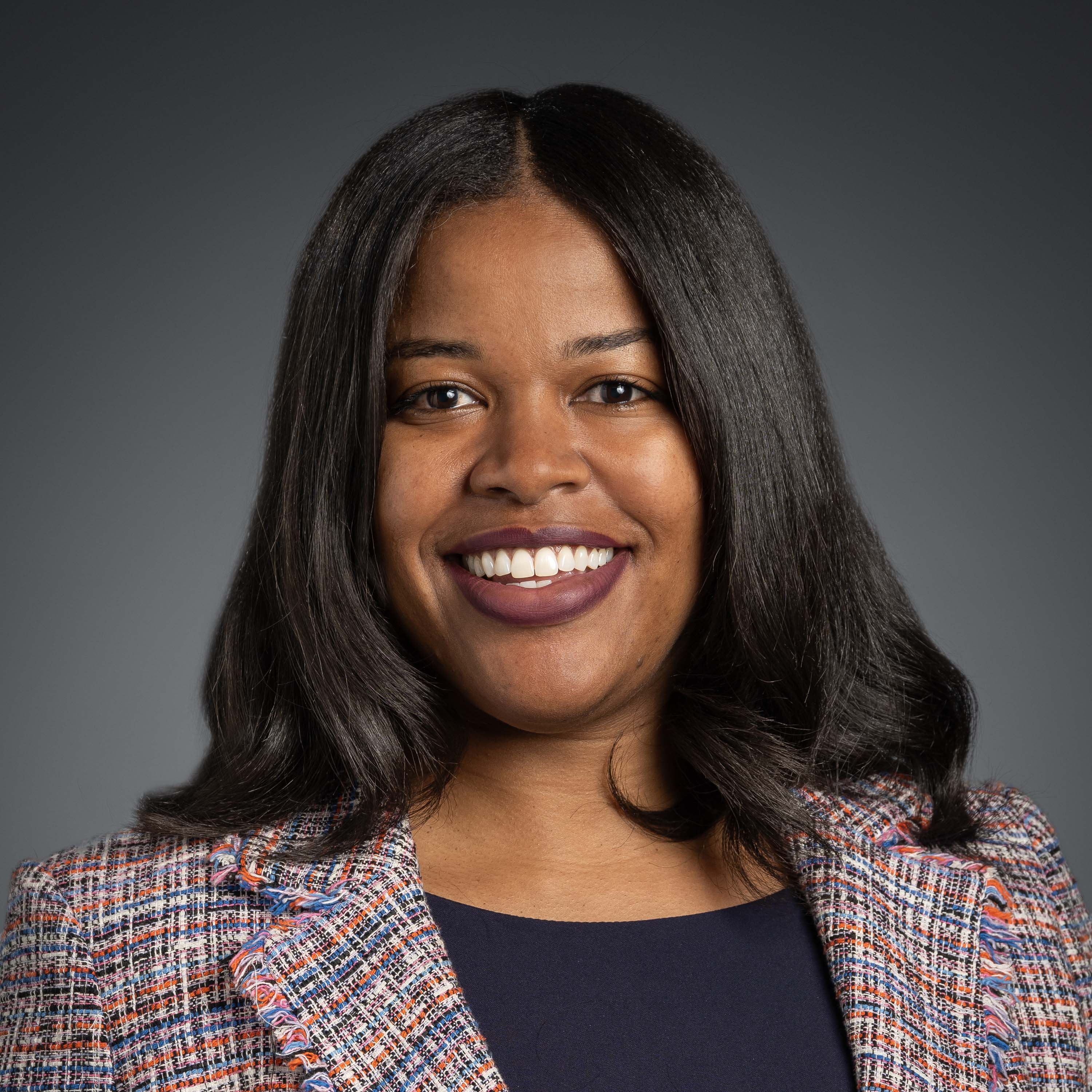
“My career has been shaped by a willingness to say yes to new opportunities and challenges,” said James, chief marketing officer and senior vice president for Bob Evans Farms, Inc. “I have changed brands, companies, teams, market positions, investment levels, industries and locations, and I have never regretted making those leaps.”
From senior assistant brand manager for Procter & Gamble to brand director for Conagra Brands and now a senior leader at Bob Evans, James has welcomed opportunities for professional and personal growth. She is equally passionate about driving brand awareness, meeting consumer demand and generating millions in product sales.
For her outstanding career successes and continued support of Business Buckeyes, James has been named the recipient of Fisher’s 2026 Alumni Award for Professional Achievement.
We asked her to reflect on her career, her dedication to Fisher and what this honor means to her.
As an executive leading major national brands, how would you describe your leadership philosophy, and how has it evolved as you’ve taken on broader responsibility?
I believe good leadership starts with a genuine desire to serve others well and the humility to keep growing. It requires self-awareness, openness to feedback, continued learning and a willingness to refine your approach over time. I aim to lead with clarity, care and accountability so people feel supported, challenged and empowered to do their best work. Whether I am leading small teams on early-stage brands or large teams on marketplace leaders, my core philosophy remains the same. As my responsibilities have grown, I have learned that situational leadership matters. The philosophy can stay consistent, but how I demonstrate it needs to adapt to each person and situation to create the best outcomes.
What pivotal decisions or moments most shaped your path from early‑career brand manager to C‑suite leader?
Many of my most valuable experiences were not part of the careful plans I had outlined earlier in my journey. I have learned not to view departures from the plan as failures, but as catalysts for growth, often the kind we do not realize we need in the moment.
Looking back on your time at Fisher, what aspects of your MBA experience most directly influenced your professional success?
It was at Fisher that I first learned about brand management. During my undergraduate experience, I did not take courses in marketing. Fisher introduced me to brand management coursework and revealed a field that allowed me to combine analytical thinking with creativity in a way I had not imagined. From there, I participated in a Procter & Gamble case competition, performed well, and connected with brand management professionals whose passion for the work encouraged me to give it a try. I interned there successfully the following summer and the rest, as they say, is history.
More than 20 years later, I am fortunate to still have a deep love for the consumers I serve, the people with whom I partner, the businesses I help grow and the career path I chose.
You remain connected to Fisher as an alumni board member and as one of the college’s Executives in Residence. What motivates you to invest your time and expertise in the next generation of business leaders?
My Fisher MBA experience was truly life changing. The knowledge I gained, the relationships I built with students and faculty, and the professional network I developed all helped shape my personal and professional path. It is a privilege to give back through the Alumni Board. Any opportunity to help advance the institution or support the people within it is energy well invested.
Knowing what you know now about your professional career, what advice would you give to your younger self?
My biggest advice would be to step courageously into the experiences that stretch you. In my journey, moments of discomfort have often led to the most meaningful growth. Immerse yourself in challenging coursework and build genuine relationships, especially with people who are different from you. Be vulnerable and pursue opportunities that expand and challenge your perspective and skill set. Do not play your life safe.
What does receiving the Professional Achievement Award from Fisher mean to you — professionally and personally?
Professionally, this award is a meaningful reminder that years of hard work, strong results and commitment have been recognized by a community I deeply respect. Personally, it reminds me that we do not need to have every detail figured out in the moment. If we focus on taking the right next step, one step at a time, we can arrive somewhere wonderful. When I arrived at Fisher, I had no idea where those steps would lead, but they have brought me to a beautiful place. More simply put, it is an absolute honor to receive this award.
Corporate Partner Alumni Award: Battelle
Battelle is the world’s largest independent, nonprofit applied science and technology organization committed to solving complex scientific challenges and supporting the next generation of scientists and engineers.
 They’re also a strong supporter of Fisher through their hiring of interns and graduates, engagement in career fairs and case competitions and their ongoing participation in the classroom. Dozens of Business Buckeyes have served as interns, and currently more than 500 Ohio State alumni work for Battelle.
The organization believes that solving the world's most complex challenges requires a continuous pipeline of talented leaders who can bridge science, technology, business and public purpose. That talent includes many Fisher alumni.
We asked company leaders about the importance of their relationship with Fisher, what the future holds for our partnership and what this award means for the organization.
Q. Battelle’s relationship with Fisher includes classroom engagement, program support and more. What motivates Battelle’s investment and how does it align with its mission?
At the core of Battelle’s mission is developing the next generation of “Solvers.” As an applied science and technology organization, we employ thousands of scientists and engineers who focus their efforts on tackling technical challenges and creating new innovations for our customers. Battelle is a business generating approximately $13 billion in annual revenue. Our corporate functional teams serve as the engine that moves our mission forward through finance, accounting, marketing, human resources, business development, government policy, risk management, corporate information technology and legal experts. We believe in supporting students who study areas aligned to these areas and regularly offer internship opportunities that often turn into full-time careers at Battelle. Fisher is a fantastic resource to find high quality talent with engaged students who ask thoughtful questions and help us drive efficiencies and greater effectiveness.
Q. As Battelle continues to innovate, where do you see new opportunities for Fisher students to engage with your teams or technologies?
The most fruitful way for students to engage is to take an internship with Battelle. We offer nearly 30 summer internship spots for corporate interns, as well as co-op roles in the autumn and spring semesters. Students are paired with mentors on their teams who are responsible for their tasking and skills development throughout the experience. Oftentimes, these mentors began their career as interns at Battelle and share our passion in developing the next generation of Solvers. Additionally, we plan extensive programming to support the professional development of the students, leading to a well-rounded experience to develop technical on-the-job skills as well as “power skills” sought after by employers (critical thinking/problem-solving, communication and teamwork).
Q. Students gain from their engagement with Battelle, but are there instances where Battelle has gained insight and ideas from the students?
Absolutely! One key area we engage students in is helping us develop our AI deployment across corporate teams. Interns often come in with AI-savvy skills that are highly beneficial as we continue to thoughtfully apply AI technology throughout the business. A recent example includes a cross-functional team of interns who led development of an AI process for procurement at the direction of one of our executive leaders. Broader yet, interns bring with them a very fresh perspective, and this alone has helped many teams think about challenges with a new lens, oftentimes leading to more thoughtful solutions and approaches to problem-solving. In the end, Ohio State students have challenged our assumptions, accelerated adoption of new technologies, and generated ideas that may not have emerged through traditional thinking alone.
Q. Is there a particular program or event at Fisher that Battelle representatives enjoy being a part of?
We maintain a steady presence at Fisher’s Fall Career Fair and always enjoy the “extras” in terms of engagement. We frequently engage with student organizations by bringing speakers to events, so that students can meet people in roles they might see themselves doing in the future. We also partner with Fisher on mock interviews and resume workshops in order to prepare students for the job search. This past year, we also hosted MBA students at Battelle who participated in the Big Ten Case Competition, which was a great opportunity for two Fisher teams and teams from across the Big Ten to work on a real Battelle business opportunity. A highlight every year is seeing the students present their work at our annual Intern Capstone Poster Symposium event attended by scientists, engineers, business representatives and executive leaders. We really see the students shine at this event, which is the culmination of their summer internship experience.
Q. Battelle provides meaningful career pathways for Fisher graduates. What from Battelle’s perspective sets Fisher grads apart in the workplace?
The curriculum at Fisher provides students with everything they need to be successful in their early career. The collaborative nature of the projects typically comes up in interviews and prepares students well for collaborating with cross-functional teams, which is critical to the work at Battelle. Additionally, we find that Fisher students are engaged, thoughtful and eager to contribute to the success of the teams they join. They aren’t timid in offering up new ideas or solutions to problems, which is exactly what we need. They often seek out additional tasking beyond the scope of what is being asked of them, highlighting their motivations as an early career professional. Fisher graduates also consistently demonstrate an ability to communicate complex ideas clearly and professionally, a skill that becomes increasingly valuable as careers progress.
Q. What skills or mindsets do you see as most critical for students entering your field today?
The Four C’s: Critical thinking, Communication, Collaboration and Curiosity are all key to a successful career in just about any field. Additionally, I would add adaptability and resilience. Technology is changing so rapidly — being open to change and new ways of approaching work will be critical to this next generation. Thinking critically, especially in the era of AI, is also crucial.
Q. What does this honor mean for Battelle?
This recognition is deeply meaningful because it celebrates a partnership built on shared values: innovation, education, leadership development and service to society. While Battelle is best known as a science and technology organization, our success ultimately depends on people. Fisher has been an outstanding partner in helping develop future business leaders who contribute to our mission in meaningful ways. We are honored to receive this award and view it as recognition of the many students, faculty, staff and Battelle employees who have invested their time, talent and energy into building a relationship that continues to create value for both organizations. Most importantly, it reflects our shared commitment to preparing the next generation of leaders and solvers.
What's Your Ohio State Story?
We're collecting stories from alumni to better understand and communicate the Ohio State experience. What experience, opportunity, relationship or moment has shaped your time at Ohio State? It only takes 2–3 minutes to share!