The Human Infrastructure™: A New Paradigm for Organizational Success

For the past 25 years, I have noticed the issues of attracting, engaging, and retaining talented people remain unchanged. This has led me to wonder why traditional approaches to human resources continue to have limited success despite the best efforts of talented HR professionals.
Gallup consistently reports in their annual report that employee engagement continues to hover between 30% and 35%. Clearly, an innovative approach is needed to break the cycle of limited success.
Based on my many years working with corporate clients, I have concluded the problem lies in a lack of understanding the interconnectedness of people, culture, and systems.
The HR function within an organization is no longer a series of isolated activities but a complex system. The human infrastructure™ offers a transformative perspective that addresses the people side of business.
What Is the Human infrastructure™?
The human infrastructure™ is the intersection of three core elements: people, culture, and systems. These elements have traditionally been addressed individually rather than as an integrated system creating a structure that supports organizational success.
- People: The individuals who bring skills, knowledge, creativity, and energy to an organization. Their engagement, development, and well-being are fundamental to success.
- Culture: Culture is often described as "the way things are done around here." It is the collection of shared values, norms and behaviors that influence every interaction between people, teams as well as with customers.
- Systems: The organizational frameworks that support employee experience throughout their journey. These include development systems (training, mentoring, feedback) career advancement mechanisms (promotion pathways, succession planning), engagement and satisfaction measurement tools, and recognition and reward structures.
A New Way of Thinking About the People Side of Business
Traditional HR practices tend to focus on compliance and talent metrics rather than strengthening the interconnection between people, culture, and systems. This limited perspective results in people-related initiatives categorized as administrative expenses verses drivers of revenue and innovation. The result is underfunding and missed opportunities to leverage the full capabilities of the workforce.
The human infrastructure™ expands this perspective by:
- Understanding the interconnections: Recognizing how these elements impact each other creates a systemic view of the organization.
- Creating alignment: Ensuring that people, culture, and systems are working in concert toward shared goals throughout the organization from the C-Suite to staff level.
- Enabling adaptability: As change continues to accelerate, a robust human infrastructure™ is critical for sustaining a competitive advantage and effectively adapting to evolving business requirements.
Organizations that neglect the human infrastructure™ face significant challenges including high turnover (with replacement costs of 50-200% of annual salary according to SHRM), poor collaboration, increased resistance to change, and inefficient resource use.
Conversely, investing in the human infrastructure™:
- fosters stronger engagement
- enhances performance (with research showing strong company cultures see a fourfold increase in revenue growth)
- sustained organizational growth
- significant cost savings recaptured from losses due to disengagement (approximately $2,500 per employee; 34% lower team productivity)
The human infrastructure™ is a change in basic assumptions regarding the way organizations view the people side of business. By recognizing and investing in the intersection of people, culture, and systems, businesses can create environments where employees and organizations thrive.
If companies are going to succeed in this volatile business environment, they must recognize that the human and technical infrastructures are interconnected. Investing in one without investing in the other creates another barrier to success.
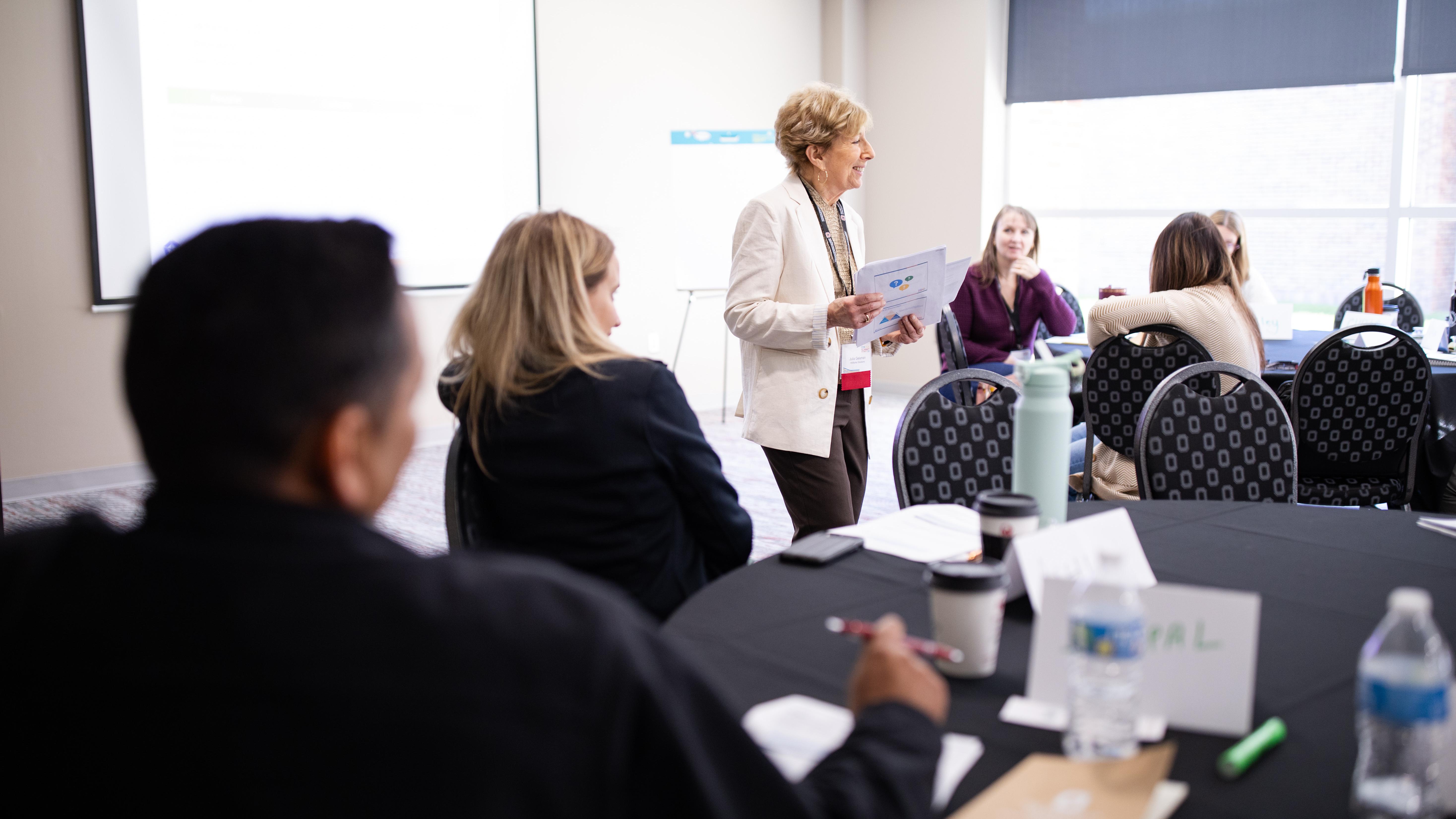
Interested in diving deeper into the interconnectedness of people, culture, and systems? Julia Geisman will lead a limited-capacity workshop on Tuesday, April 7 at the COE Summit 2026. This workshop will focus on the art of building an adaptive culture—participants will walk away with the building blocks for creating adaptive teams, a deeper understanding of the root causes of cultural change resistance, and practical tools for creating an adaptive culture.
The Ohio State University Center for Operational Excellence Summit, now in its 13th year, is a three-day event dedicated to connecting diverse industries to the latest best practices in leadership and continuous improvement. This year’s Summit will explore how organizations are rewiring excellence with emerging tech, bold strategies, and future-ready thinking. Top authors, researchers, and lean practitioners will share insights on operationalizing AI, innovating processes, and navigating disruption with clarity and confidence.
COE Summit registration opened for member company employees December 1, 2025. Public registration will launch February 1, 2026.