All Articles
Leaders often ask: “Why is this initiative stalling?” “Why are we working so hard, yet progress feels slow?” “Why does the energy in the room feel… off?” These are important questions. But behind them is a deeper one: Where is the Human Infrastructure out of alignment?
Alignment is What Activates Performance
Every organization has People, Culture, and Systems.
“What determines impact is how these three elements function together.”
Think of them as the three sides of a triangle:
As we step into 2026, we’re reminded of what makes the Center for Operational Excellence so special—our members. This consortium is built on the belief that we are stronger when we learn from one another, and over the years, we’ve had the privilege of hearing countless member stories through webinars, Summit breakouts, and site tours. These stories reflect the authenticity and openness of our community with its willingness to share both successes and challenges. These stories also reveal the depth of expertise and brilliance that exists across our network.
For the past 25 years, I have noticed the issues of attracting, engaging, and retaining talented people remain unchanged. This has led me to wonder why traditional approaches to human resources continue to have limited success despite the best efforts of talented HR professionals.
Gallup consistently reports in their annual report that employee engagement continues to hover between 30% and 35%. Clearly, an innovative approach is needed to break the cycle of limited success.
People often talk about AI in extremes, either as a magical idea machine or a looming replacement for human creativity. I see it differently. AI is a thinking partner: fast, clever, and occasionally brilliant. That said, I also wouldn’t let it drive me, or anyone I care about, around in my car without supervision.
As 2025 nears its close, many leaders and organizations aren’t just feeling fear—they’re feeling fear fatigue.
It’s the quiet exhaustion that builds when:
Uncertainty becomes constant
Strategic decisions stack up
Culture feels stretched
Leaders are carrying more than they can name
Fear fatigue doesn’t look dramatic. It looks familiar: hesitation, blurred focus, emotional flatness, and systems that react instead of respond.
In a July 2025 COE webinar, Mark Reich explored how to use hoshin kanri to develop strategy, align teams, grow leaders, and innovate your enterprise. Drawing from decades of experience working at Toyota and coaching lean leaders across industries, Mark shared insights on what sets hoshin kanri apart from traditional strategy and what key practices and leader behaviors create high performance and sustainable results. In this blog, Mark continues the conversation, tackling unanswered audience questions from the webinar Q&A.
The summer season welcomes more sunshine, more downtime, and the perfect opportunity to dive into a great book. Whether you’re recharging on vacation or taking advantage of a quiet moment between projects, this is your invitation to seek out inspiration to fuel your personal and professional development.
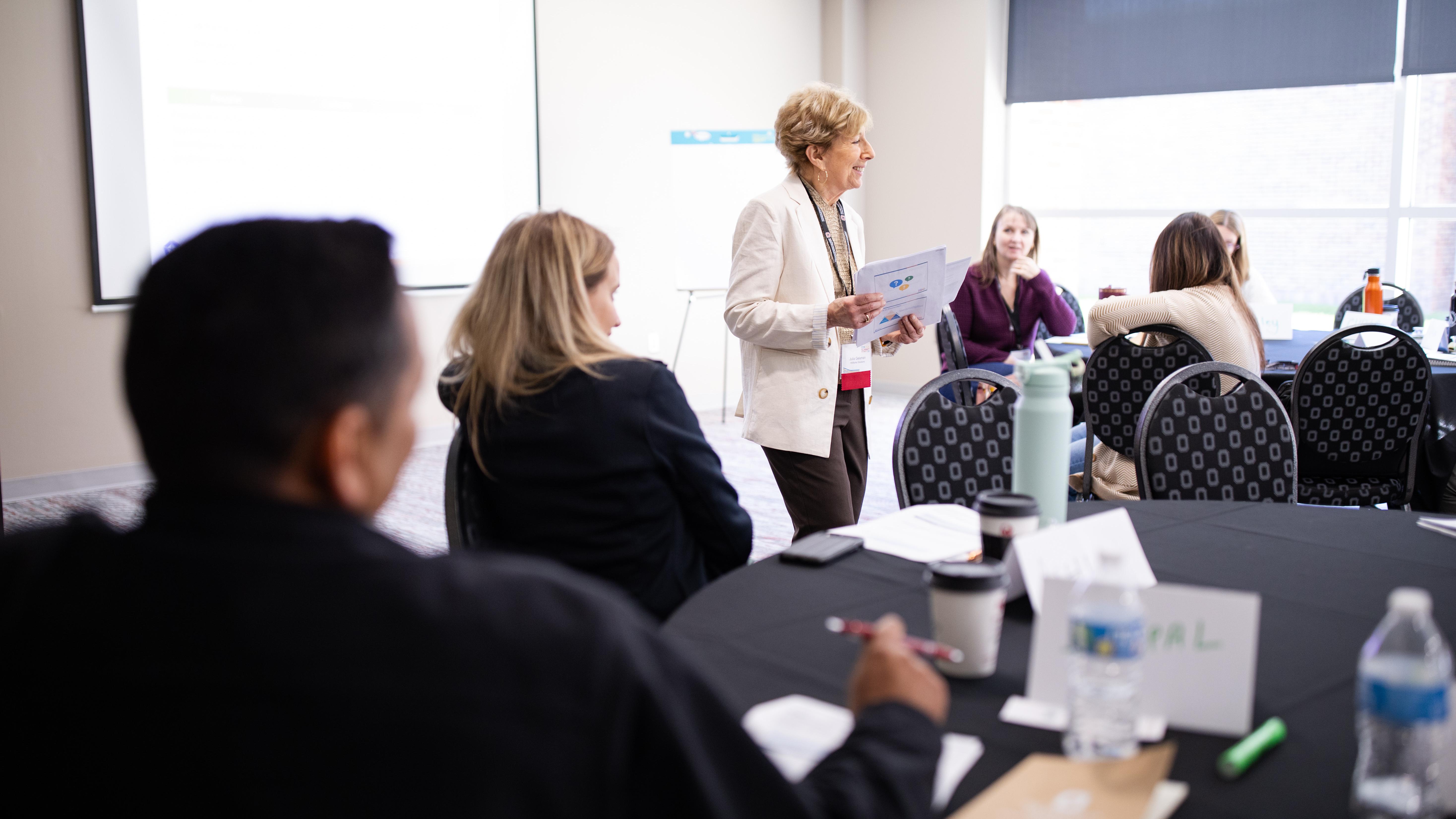
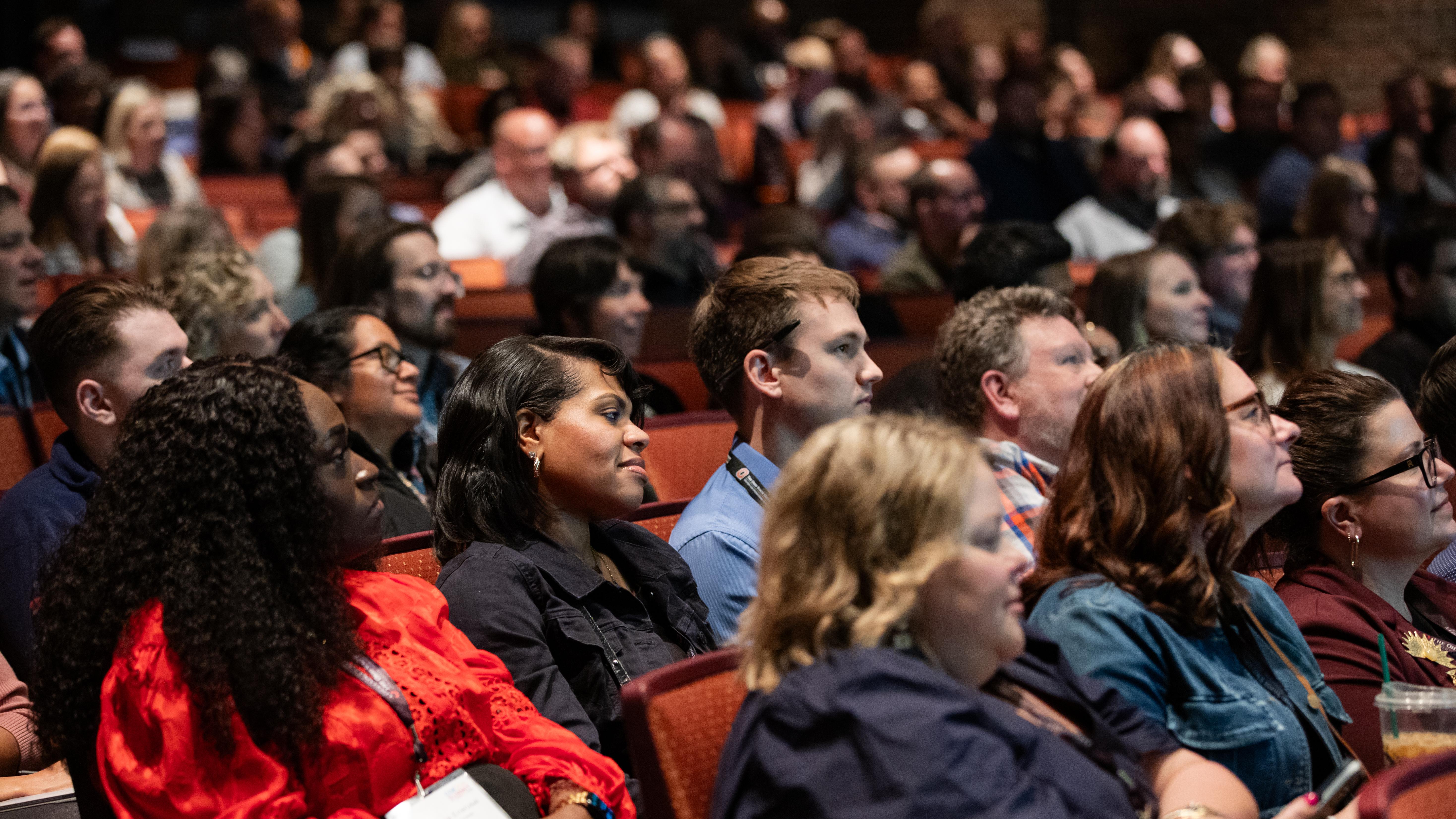
The COE Summit is the cornerstone of the Center for Operational Excellence’s annual events calendar—a premier gathering where operational excellence thinkers and practitioners come together for three days of learning and connection. It’s a highlight not only for the COE team, but for our broader community of member companies, lean-focused organizations, and continuous improvement professionals. The 2025 theme—OpEx and the power of people—struck a powerful chord. This theme emerged from conversations with leaders seeking to understand the challenges and opportunities that come with leading and working with people in a rapidly changing world.
In a June 2025 COE webinar, data and technology leader Jim Perry explored prompt engineering, agentic AI, and the new AI skillsets for modern work. Through live and interactive demonstrations, Jim guided attendees through various prompt frameworks and techniques for leveraging AI tools more effectively. In this blog, Jim continues the conversation, tackling unanswered audience questions from the webinar Q&A.