Bridging the Neighboring Gap with Sophia Fifner of the Columbus Metropolitan Club

In this episode, Sophia Fifner, creator of the Neighboring Gap™ and CEO of the Columbus Metropolitan Club, shares how leaders can rebuild trust, bridge division, and foster meaningful connections by embracing curiosity, vulnerability, and the simple practice of being a good neighbor. Drawing on her experience in civic leadership, community building, and personal transformation, she explores why social connection is essential for effective leadership and thriving communities.
Click the links below to listen to the episode on your preferred platform:
Sophia Fifner, Guest:
"2016 was a really challenging year for me personally. I started my career. I grew up in a relatively conservative family. My parents were from Jamaica, but culturally very conservative and grew up in, you know, I call it 'Appalachian adjacent'...A lot of my friends and family members, or my friends had...family members from West Virginia and Kentucky and, culturally, I had a very specific lens of the world and how the United States should work.
...I met a woman...at a women's conference who loved talking about politics. And she is a Democrat. And I identified again, at the time, as a Republican. And we were like, oh my gosh, we love talking about politics. We do not agree on a lot of issues, but we want to know more. And we should start a book club where we can...talk about politics and policy more often, but we shouldn't have any books. We should just chat and have a really good conversation. And in fact, let's just invite complete strangers and see what we can like. See what can happen.
So...I posted my address on Facebook and invited strangers to my home, who identified as female, to come and talk about politics and while drinking wine and drinking or eating popcorn. And it was a great experience, for every single month, for four years we hosted a conversation around Black Lives Matter, gun control, every controversial topic that you can think of. And what I loved about this opportunity is that the conversations were not a debate. It was not to persuade Republicans or conservative-leaning people to all of a sudden agree on a policy issue with those who leaned more liberal or progressive. The point of these meetings was really to just create spaces for curiosity and understanding. It was to build trust. And what I realized from these gatherings over the years is that we have so much more in common...than that which divides us. And it was just a really good opportunity for me.
One tip to practice the same neighboring skills, I think are so important for all of us to do, is sit in rooms with people who are not like you, not to persuade them, but just to build understanding."
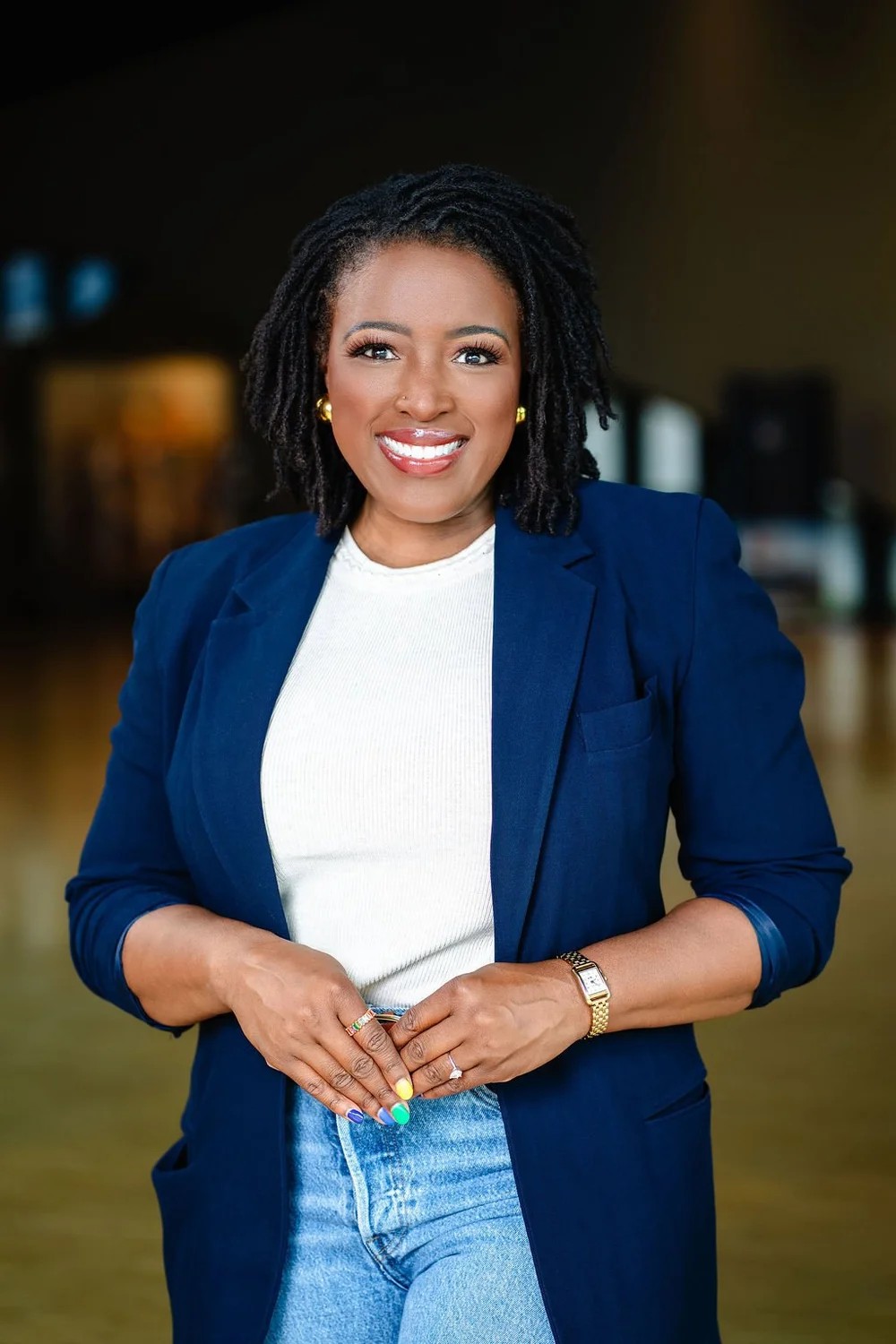 Sophia Fifner is the creator of The Neighboring Gap™, a research-backed framework for the connection crisis inside today's workplaces and communities. For nearly two decades she's been in the rooms where the problem lives: Capitol Hill, city government, national philanthropy, and now as CEO of the Columbus Metropolitan Club, where her job is getting people who disagree to stay in the room and leave changed. She writes The Advocate Next Door and teaches that belonging isn't built through bigger programs, it's built one neighbor at a time, by going first and, harder still, by letting ourselves be neighbored.