Culture
The Human Infrastructure™ Beneath Operational Excellence
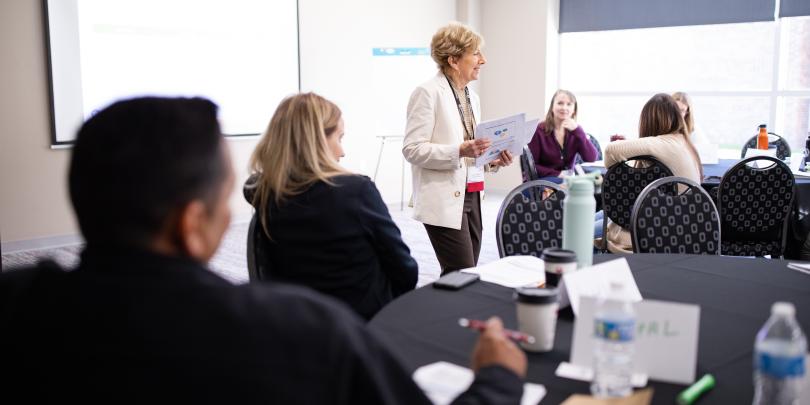
It was a privilege facilitating "The Art of Building an Adaptive Culture" at last month's COE Summit. The theme of the workshop was the relationship between sustainable operational excellence and an adaptable Human Infrastructure™, one that aligns with COE's mission and with the challenges members are navigating today. What emerged from those four hours was a recognition that the two are more deeply connected than most organizations currently appreciate.

The Art of Building an Adaptive and Resilient Culture
Michelangelo once said that a sculpture already exists inside the marble. His work was simply freeing it by chiseling away the superfluous. The same is true of organizational culture. The adaptive, resilient culture your organization is capable of is already there. The question is whether you have the courage to chisel away what is blocking it.
The Infrastructure Problem Leaders Overlook
As a leader, you likely have no hesitation investing heavily in your technical infrastructure: servers, software, cloud platforms, AI tools. But are you fully maximizing their value?
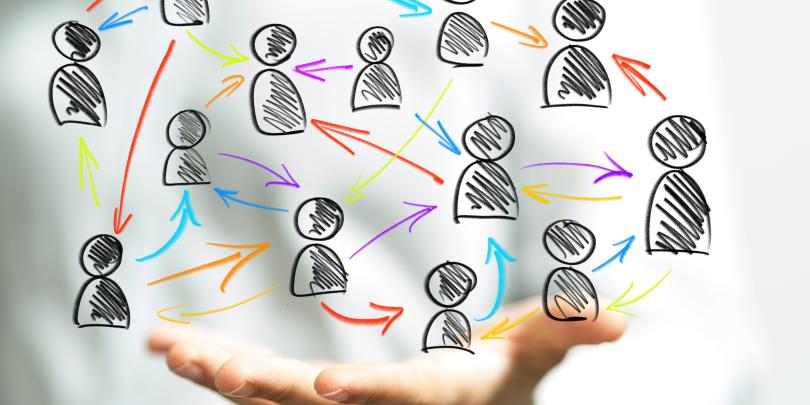
After 30 years on the people side of business, I have learned that technical infrastructure is only as strong as the human infrastructure™ supporting it.

Designing Hybrid Work for Clarity, Contribution and Performance
Hybrid work is often framed as a debate about location.
Office or remote? Three days in or two?Core hours or full flexibility?
Yet leaders focused on operational excellence know the real issue isn’t geography. It’s design.

The Human Infrastructure™ in Action: A Guide to Strengthening the Invisible Core of High-Performing Organizations
Leaders often ask: “Why is this initiative stalling?” “Why are we working so hard, yet progress feels slow?” “Why does the energy in the room feel… off?” These are important questions. But behind them is a deeper one: Where is the Human Infrastructure out of alignment?
Alignment is What Activates Performance
Every organization has People, Culture, and Systems.
“What determines impact is how these three elements function together.”
Think of them as the three sides of a triangle:

The Human Infrastructure™: A New Paradigm for Organizational Success
For the past 25 years, I have noticed the issues of attracting, engaging, and retaining talented people remain unchanged. This has led me to wonder why traditional approaches to human resources continue to have limited success despite the best efforts of talented HR professionals.
Gallup consistently reports in their annual report that employee engagement continues to hover between 30% and 35%. Clearly, an innovative approach is needed to break the cycle of limited success.

The Season of Fear Fatigue
As 2025 nears its close, many leaders and organizations aren’t just feeling fear—they’re feeling fear fatigue.
It’s the quiet exhaustion that builds when:
Uncertainty becomes constant
Strategic decisions stack up
Culture feels stretched
Leaders are carrying more than they can name
Fear fatigue doesn’t look dramatic. It looks familiar: hesitation, blurred focus, emotional flatness, and systems that react instead of respond.

Building an Adaptive Culture
“Adaptive leadership is specifically about change that enables the capacity to thrive” - Ronald Heifetz, Alexander Grashow, and Marty Linksy in The Practice of Adaptive Leadership

Centering People and Culture in OpEx Deployments
Why do some OpEx programs implode, collapse, lose steam, or head off in unintended directions with unpredictable consequences? And why does this happen despite the best, herculean efforts of the OpEx professional to keep the organization marching in the right direction? We can point the finger to a key ingredient in the OpEx mix: when an organization’s PEOPLE and CULTURE are not aligned with the organization’s strategy, direction, and pursuits, then success, if achieved, will occur purely by CHANCE. And that approach is simply not good enough.