The Human Infrastructure™ Beneath Operational Excellence
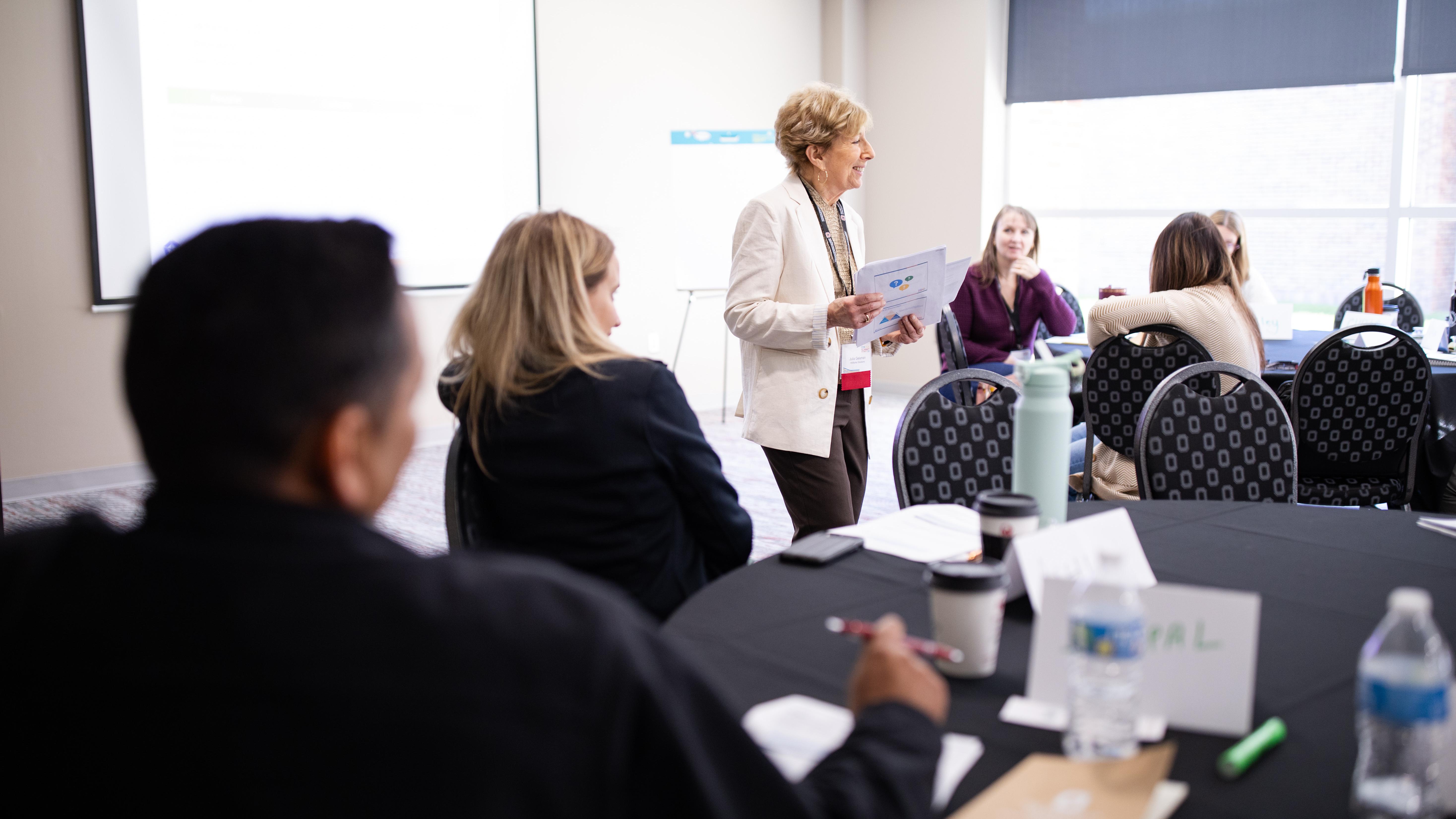
It was a privilege facilitating "The Art of Building an Adaptive Culture" at last month's COE Summit. The theme of the workshop was the relationship between sustainable operational excellence and an adaptable Human Infrastructure™, one that aligns with COE's mission and with the challenges members are navigating today. What emerged from those four hours was a recognition that the two are more deeply connected than most organizations currently appreciate.
The Mission Has Never Been More Relevant
Uncertainty, workforce disruption, employee stress, shareholder demands, and the relentless pressure of technological change are testing leaders in ways that process tools alone fail to address. COE's 30-year mission of helping members build cultures of operational excellence takes on even greater importance today as business leaders navigate this increasingly complex landscape.
Research from both the Shingo Institute and McKinsey consistently points to a similar conclusion. The organizations sustaining operational excellence gains over time share a quality that goes beyond methodology and tool adoption. Their people are engaged, their culture reinforces the behaviors continuous improvement requires, and their systems support the work. In short, the three pillars of their Human Infrastructure™ are strong and working in concert.
What the Current Data Reveals
In its recent study, "The 2026 State of Internal Communication," Axios HQ found that high performing organizations are far more likely to invest in both AI tools and the development programs that give people the skills to maximize the power of those tools. Otherwise, the investment generates little benefit.
For organizations on an operational excellence journey, the question worth asking directly is: are your processes being redesigned to amplify human capability, or to replace it? The organizations sustaining the greatest gains are those where AI strengthens rather than diminishes the people, culture, and systems beneath it.
That kind of organizational alignment requires intentionality. It requires people who are informed, engaged, and moving in the same direction. A robust communication strategy is a necessity for building that engagement and an integral component of the foundation operational excellence requires.
The gap between leadership's perception and employees' experience the Axios study revealed is particularly instructive. Forty-three percent of leaders believe their organization has clear and enforced AI policies. Only 26% of employees agree. That gap reflects a significant misalignment between what leadership believes and what the workforce actually experiences. It signals a gap at the intersection of people, culture, and systems.
As we explored at the Summit, that kind of gap surfaces frequently across organizations navigating rapid change. The data simply makes it visible.
The Foundation Beneath the Tools
The effectiveness of those methodologies, sustained over time, depends on the Human Infrastructure™ supporting them.
Engaged people bring their full capability and commitment to improving their work. Culture that genuinely values learning and collaboration makes process discipline a shared commitment rather than something people comply with. As COE's members have demonstrated, systems that reward the behaviors continuous improvement requires continue strengthening their operational excellence journey.
When people, culture, and systems are aligned, adaptable, and resilient, operational excellence tools deliver their full value. When even one of these three pillars is out of alignment with the rest, the organization is caught in the vicious cycle of the same challenges.
A strong foundation is essential to this work. Why? Because it is a systemic approach to ensuring the people, culture, and systems beneath your operational excellence strategy are aligned and working toward the same goal. When the foundation is adaptable and resilient, continuous improvement becomes a cultural reality rather than an initiative.
Building the Adaptive Culture
During the Summit workshop we explored the five practices that build the kind of adaptive and resilient culture operational excellence requires. Each practice strengthens the Human Infrastructure™ as a whole, giving leaders and teams a tangible way to build the foundation their continuous improvement work depends on. Together they connect individual and team behavior to organizational adaptability and resilience.
Sustained operational excellence has always been as much about the people and culture behind the processes as the processes themselves. That truth is more relevant today than it has ever been.
A Question to Ponder
What is the condition of the Human Infrastructure™ supporting your operational excellence journey and what are the indicators?
Let me know your thoughts.