MHRM#FisherCollegeOfBusiness, #MHRM, #NetworkingInGradSchoolThe MHRM program is unique for a graduate program in the way that it emphasizes community engagement and collaboration. My personal relationships built within my cohort have been a highlight of my MHRM experience so far! MHRM encourages this connection through culture and special unique events.
36812 min read
/blogs/gradlife/2026/08/31/connecting-my-cohort-mhrm-program
Graduation AchievementsThis past weekend, we celebrated the pre-commencement ceremony for the MBA program alongside fellow graduates from the Working Professional MBA, the MAcc program, and the Masters in Supply Chain. It was a morning that began at 8:30 AM and left me with far more than I expected.36702 min read
/blogs/gradlife/2026/05/12/more-a-degree-reflections-our-pre-commencement-ceremony
MHRM#FisherCollegeOfBusiness, #GraduateStudentJourneyReflecting on my two semesters at the Fisher College of Business, I have been thinking about the skills I have developed that helped me move from just getting through grad school to truly thriving.36691 min read
/blogs/gradlife/2026/05/01/surviving-thriving-grad-school
MAcc#FisherMAcc, #GraduateStudentJourney, Ohio State UniversityWow, welcome to my last blog as a MAcc student at The Ohio State University. Thank you for reading and following along with my journey. If you are still deciding or preparing to take part in the MAcc program, here are three things I wish I knew before I began as a graduate student. 36681 min read
/blogs/gradlife/2026/05/01/farewell-and-final-thoughts
MAcc#MAccProgram, #OneYearMAcc, #GraduateAccountingProgramAs my final year at The Ohio State University comes to an end, I reflect on my time in the MAcc program. Throughout this year, not only have I improved my technical skills and accounting knowledge, but I have also made connections, set boundaries for work life balance, and explored Columbus.36671 min read
/blogs/gradlife/2026/05/01/macc-program-reflection
Full Time MBA#CareerGrowthOne of the newest initiatives from the graduate programs at Fisher College of Business is Advantage Columbus and the name fits. Designed to elevate the student experience through exclusive company visits across Columbus, the program offers something rare: direct access to industry leaders, operating environments, and real-world business challenges beyond the classroom.36652 min read
/blogs/gradlife/2026/04/20/three-site-visits-three-industries-one-powerful-mba-experience
Full Time MBA#FisherCareerFair #MBALife #NetworkingThis spring, I had the opportunity to participate in the COE Summit 2026, and it was a remarkable experience. What made it truly unique was that I got to see the event from two perspectives: as both a volunteer and an attendee.36642 min read
/blogs/gradlife/2026/04/09/a-front-row-seat-coe-summit-2026-learning-leading-and-connecting
MAcc#MAccProgram, #AccountingCareerPreparationAs the finish line for the MAcc program officially comes into view, I have entered my fourth and final quarter of courses. When I was scheduling these classes, I did so with two specific goals in mind, preparing for the CPA exam and laying the groundwork for my professional career this fall.36631 min read
/blogs/gradlife/2026/04/02/course-insights-final-macc-quarter
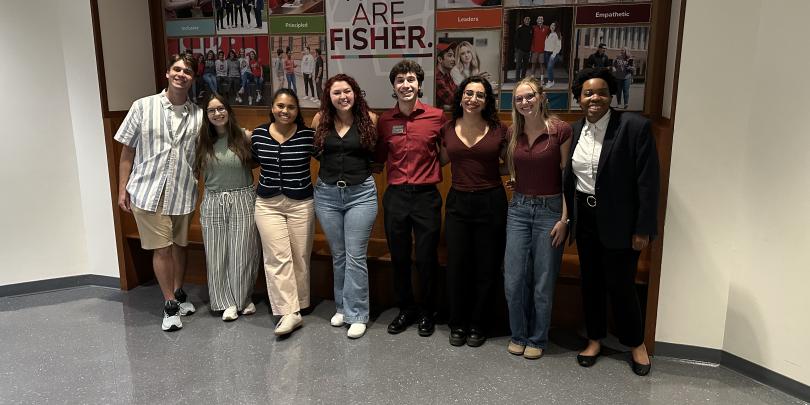 Connecting with My Cohort: MHRM Program
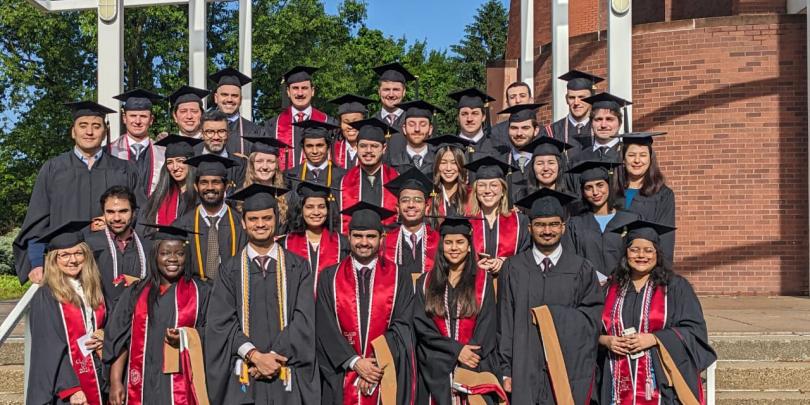 More Than a Degree: Reflections from Our Pre-Commencement Ceremony
 From Surviving to Thriving in Grad School
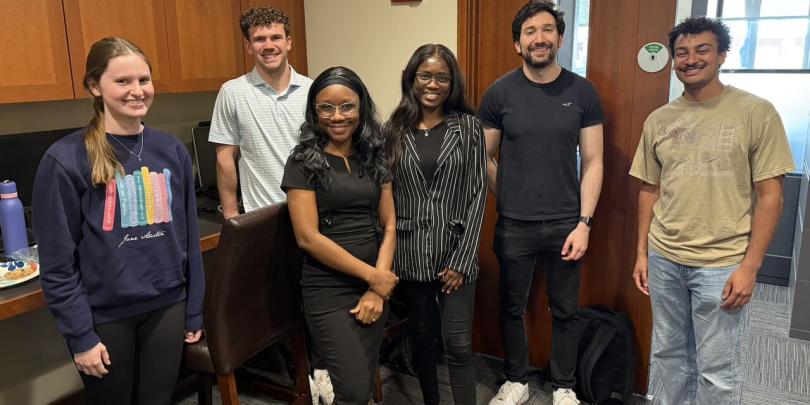 Farewell and Final Thoughts
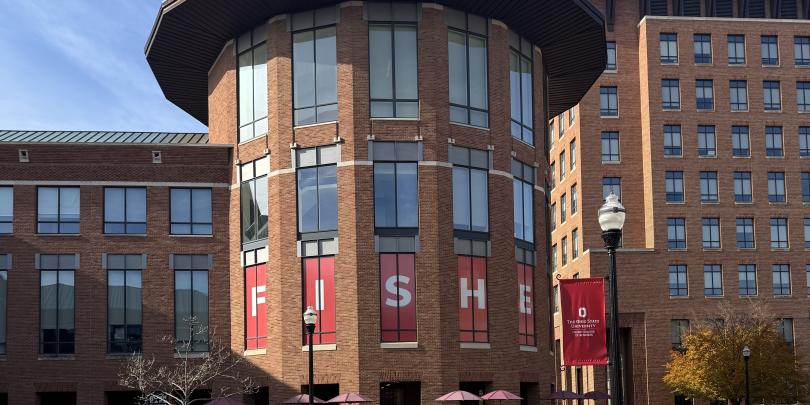 MAcc Program Reflection
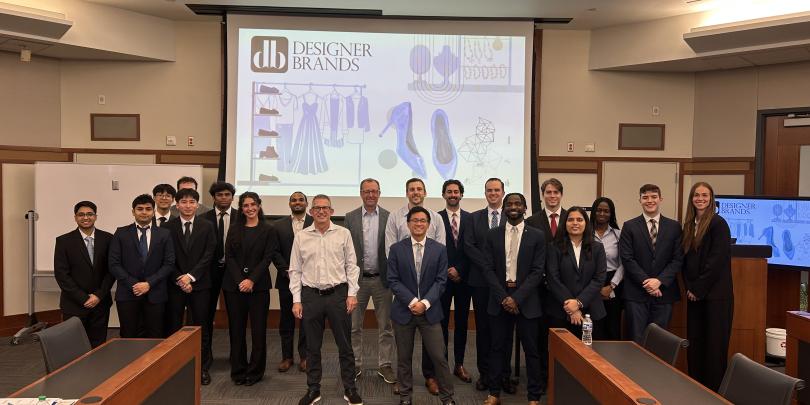 Stepping Into Value: A Capstone Analysis of Designer Brands Inc.
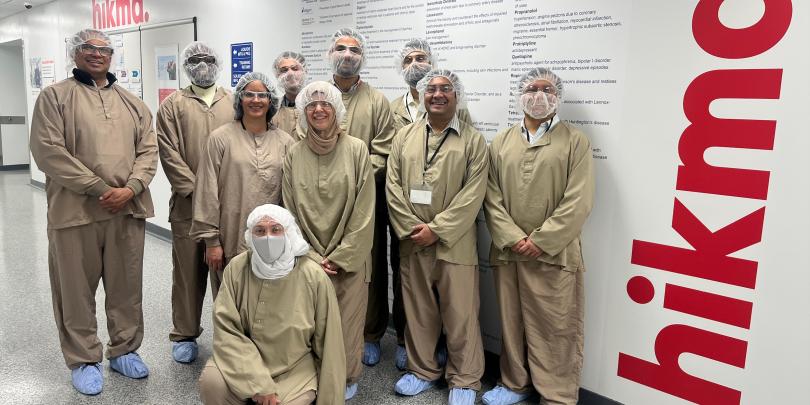 Three Site Visits, Three Industries, One Powerful MBA Experience
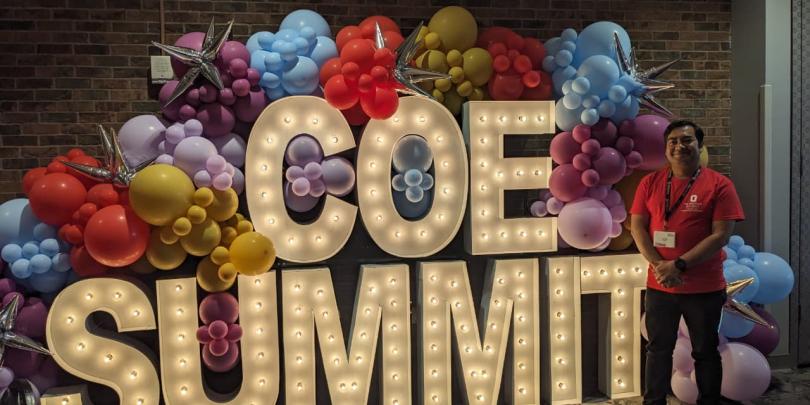 A Front-Row Seat to COE Summit 2026: Learning, Leading, and Connecting
 Course Insights from the Final MAcc Quarter