Beyond Debits and Credits: How the MAcc Program is Preparing Me for Public Accounting
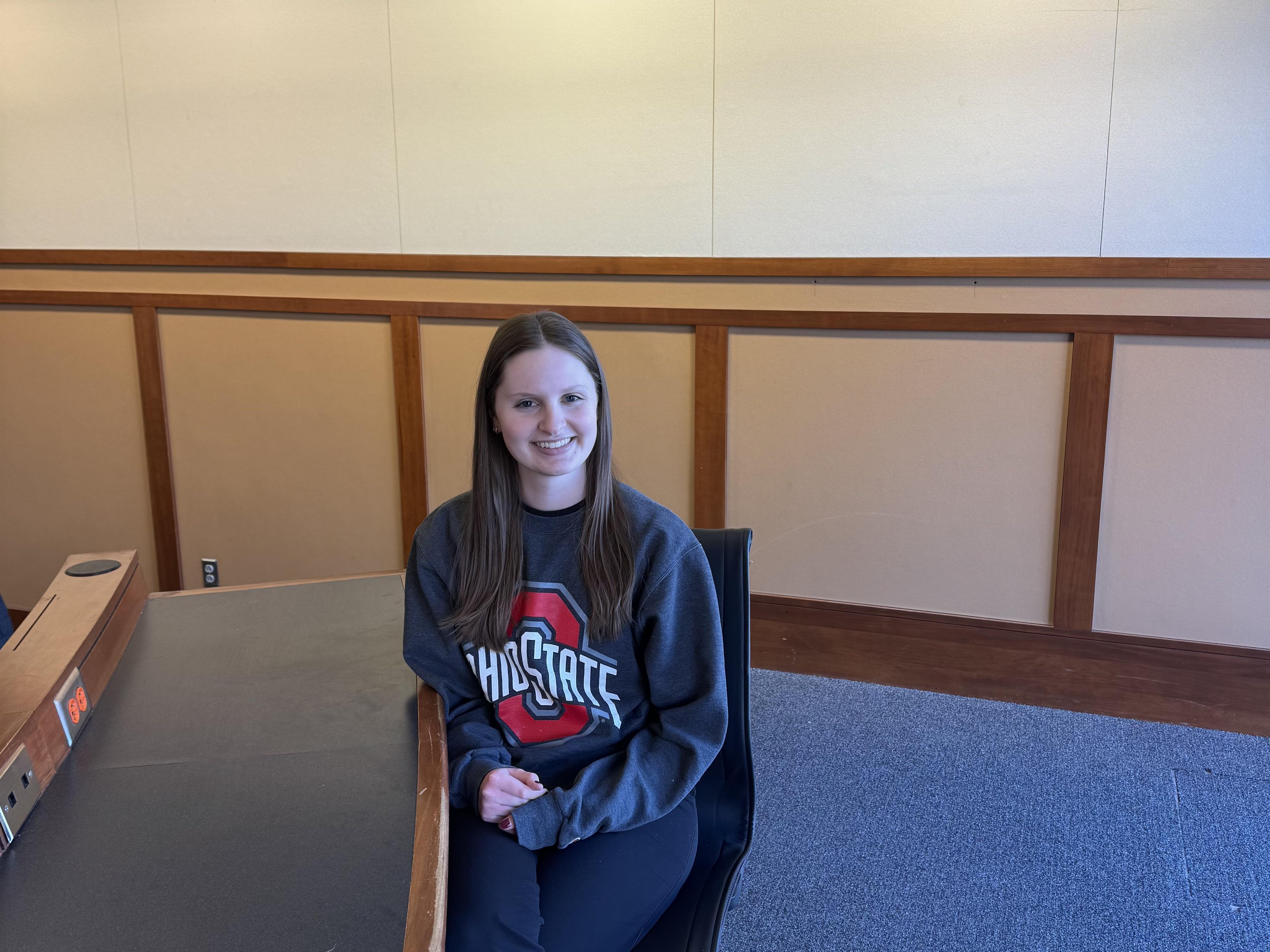
After completing my undergraduate degree at Ohio State, I felt I had a strong grasp of the technical basics. However, entering the MAcc program has shifted my focus from simply knowing "how" to record a transaction to understanding the "why" behind complex accounting actions. As I prepare to begin my full-time role in public accounting audit this fall, this shift in perspective has been the most valuable part of my graduate education.
The Investigator’s Mindset: Fraud and FSA
Currently, I am navigating a challenging course load that includes Financial Statement Analysis (FSA) and Fraud Examination. These courses work together to transform how I view financial statements. In the Fraud course, we dive deep into the psychology and mechanics of the "Fraud Triangle": pressure, opportunity, and rationalization. Learning about red flags and internal control weaknesses has taught me the true meaning of professional skepticism.
Similarly, my FSA class has taught me to dive deeper into a company’s financials to compare performance across industries or different companies. This isn't just about calculating ratios; it’s about interpreting what those ratios say about a company’s future. In my future audit role, this knowledge will be a game-changer. Instead of just rolling forward workpapers, I will understand the risks associated with the numbers and, more importantly, I’ll know the right questions to ask my clients.
Navigating the Gray: Accounting Policy and Research
One of the most unique aspects of the program is the Accounting Policy and Research class. This course pushes us beyond the standard curriculum by requiring us to read academic research papers and explore the different areas of accounting. It encourages critical thinking as we are not looking for a single right answer but exploring multiple aspects and alternatives. Beyond the technical side, this class incorporates presentations. These have been vital for building my soft skills. Being able to take a complex accounting research topic and explain it clearly to a room of peers is exactly what I will be doing when I present findings to audit managers and partners later this year.
Bridging the Gap
Ultimately, the MAcc program is serving as the perfect bridge between my academic life and my professional career. By focusing on high-level analysis and research, I feel much more confident stepping onto a client site in a few months. Not only am I graduating with 150 credit hours, but I’m also graduating with a mindset of a professional auditor.