From Classroom to Boardroom: Experiential Learning at Fisher
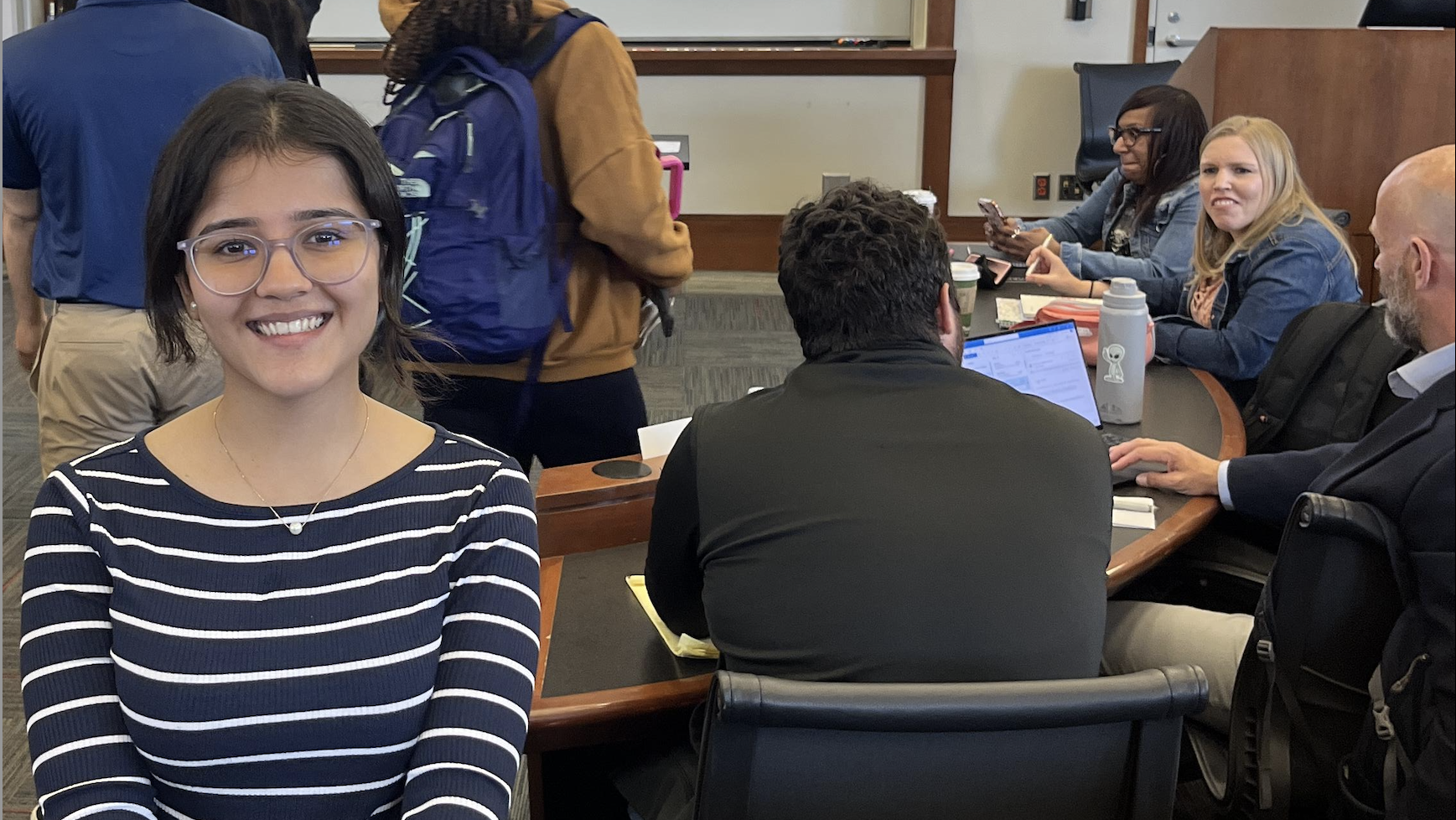
One of the main reasons I chose the Fisher MHRM program was its focus on learning by doing. I did not want a degree that only lived in textbooks. I wanted one that challenged me to apply ideas, solve real-world problems, and learn alongside people with diverse perspectives.
This semester, I got that opportunity in the revamped seminar-style Contemporary Topics in HR class. On August 26, I walked into my first session, not quite sure what to expect. By the end, I knew this was the kind of learning experience I came to grad school for. Here are my top three reasons why this course stood out to me:
- Learning from Diverse Expertise
The class brings together both first- and second-year MHRM students, creating a mix of fresh perspectives and seasoned insights. We also get to learn from not one but two distinguished faculty members who pushed us to consider issues from different points of view. Additionally, to make this experience richer, guest speakers from PepsiCo participated in the classroom discussion by showing how real organizations approach HR challenges. - Case-Based Learning that Feels Real
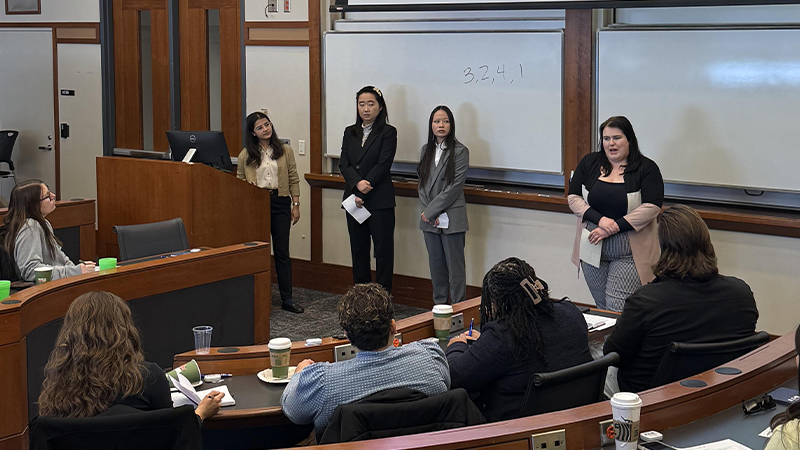
The second half of each session was dedicated to case discussions. We tackled talent management challenges, analyzing cases in groups and brainstorming solutions under tight timelines. I believe these exercises sharpen not only our critical thinking but also our ability to collaborate and present ideas clearly. This is a skill set that translates directly to workplace success. - Building Connections Beyond the Classroom
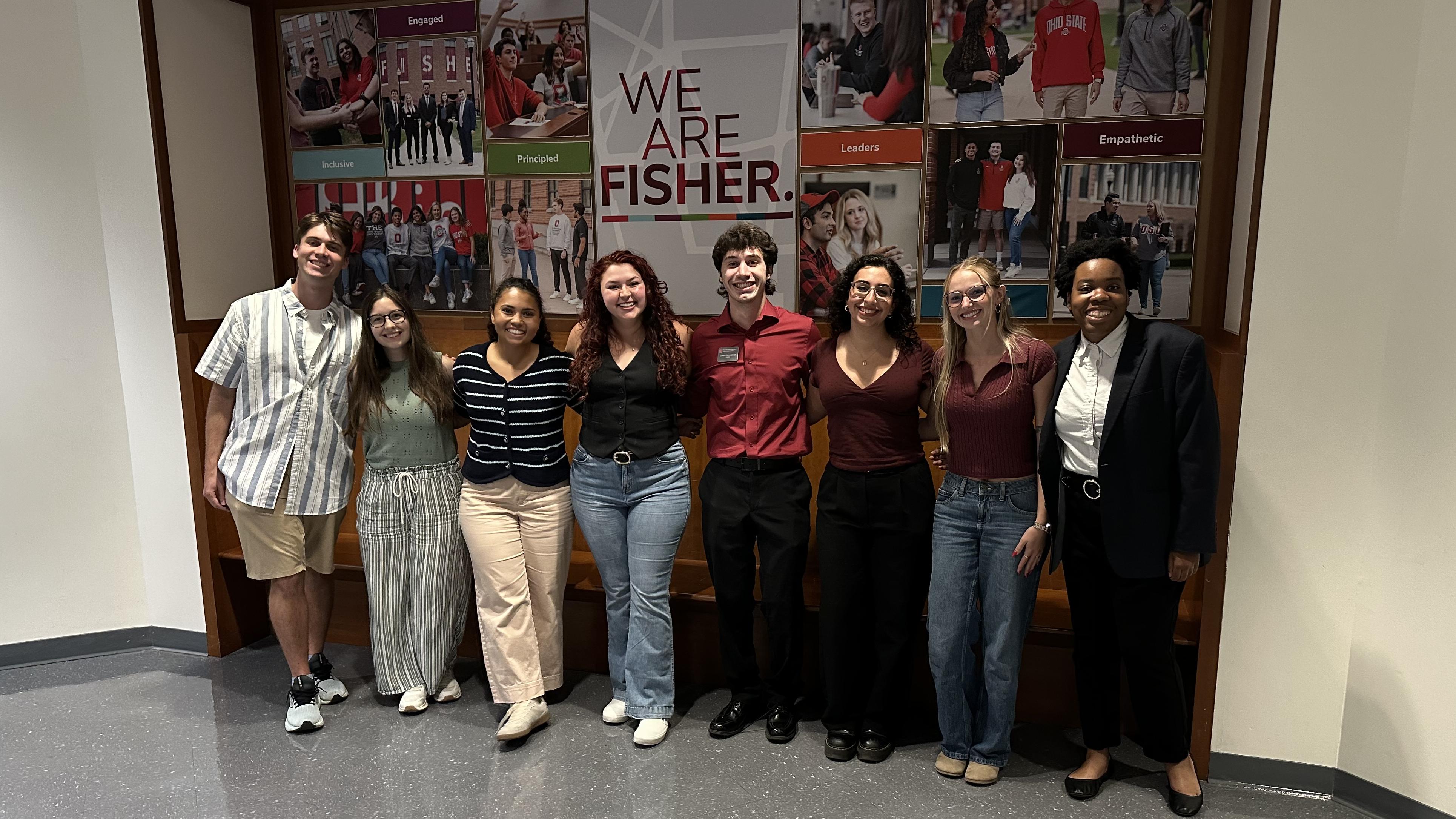
As a first-year student, I have especially valued the chance to connect with my senior cohort. These sessions go beyond academic learning. They foster community, encourage idea-sharing, and create space for professional networking and friendships.
Thus, for me, this course has blurred the lines between the classroom and the boardroom. It is not just about theory. It is about practicing how to think, collaborate, and lead in real human resource contexts.