Why Networking is the Secret Weapon in the SMF (and How I Approach It)
When I started my graduate journey at Fisher College of Business, I quickly realized that success in the job search wasn’t going to come from academics alone. Finance is an industry built on relationships, and the SMF with its new structure and added professional development course is one of the best environments to build them.
Too often networking is framed as transactional or a way to “get a job”. In reality, the most valuable connections I’ve made have come from approaching people with curiosity and respect. Instead of focusing on what I could gain, I’ve tried to learn about their career paths, challenges, and lessons they would share with someone just starting out. That mindset has made every conversation and connection feel authentic instead of forced.
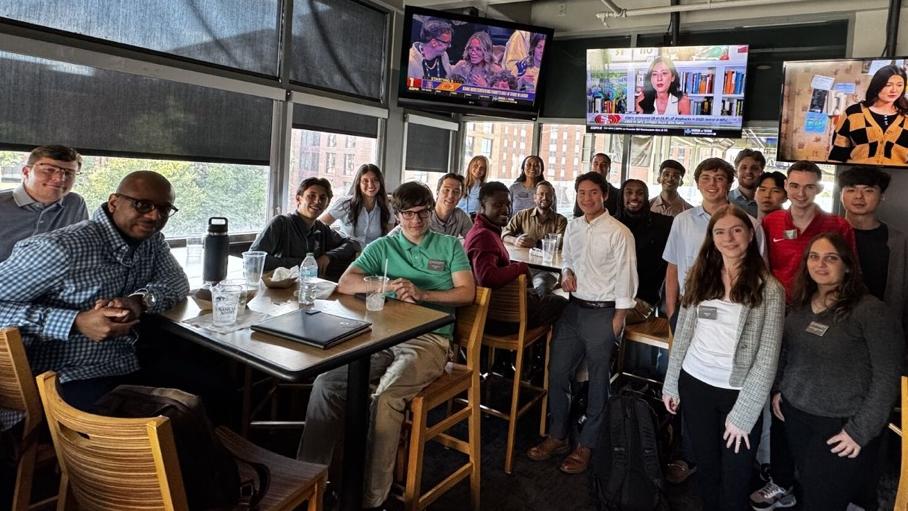
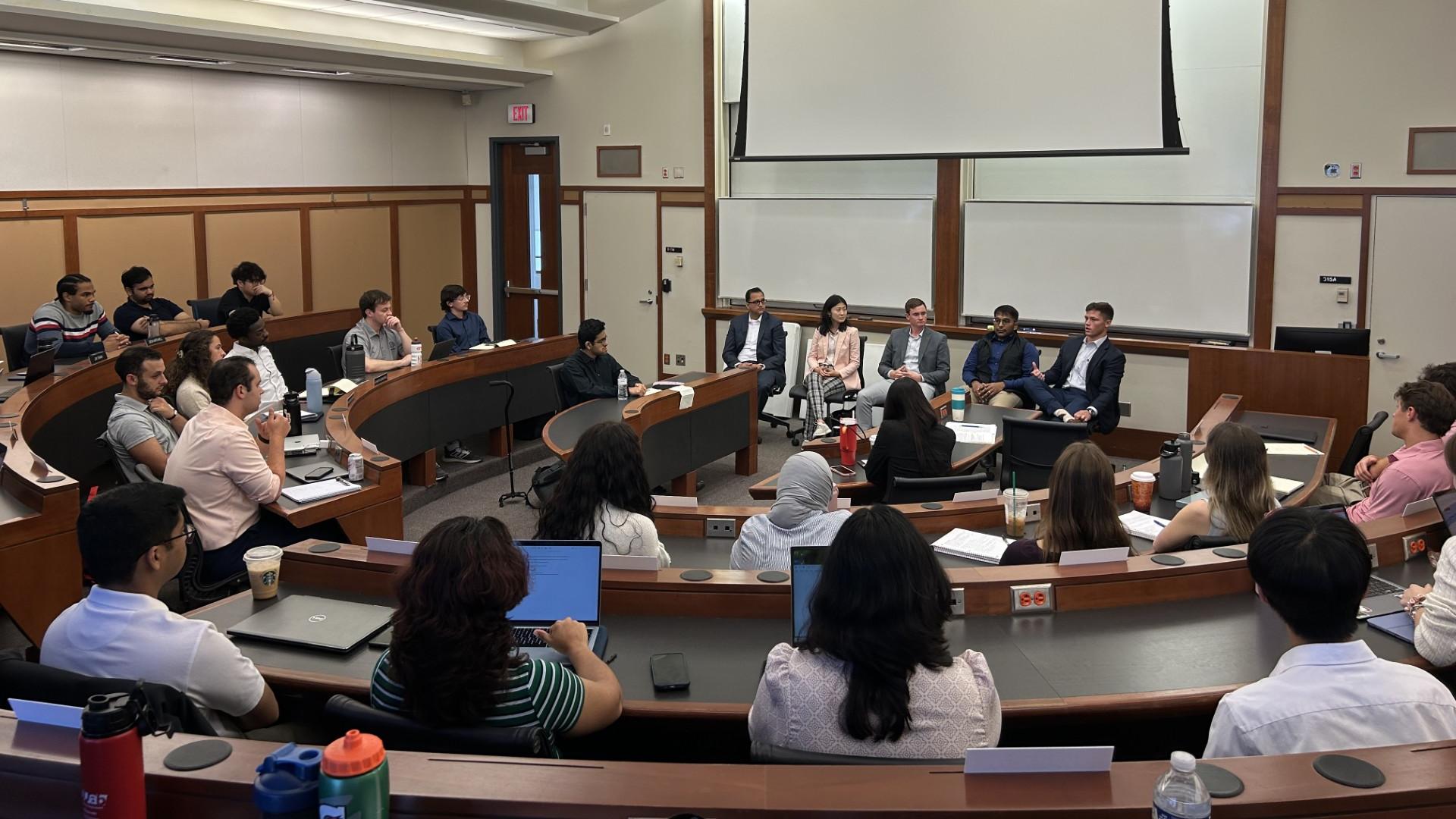
At Fisher and in the SMF, I’ve had countless opportunities to put this into practice. From career fairs with recruiters, to even simple conversations with classmates who bring diverse experiences to the program. Specifically, through the professional development course, many working professionals have come to visit during the course and SMF students including myself have learned a wealth of information about corporate finance and investment management. One of the most meaningful experiences was when an alum I spoke with introduced me to a colleague of his who actively works in a rotational program I’m interested in. That single introduction turned into a conversation that reshaped how I viewed the program. Networking, I’ve learned, isn’t about the number of connections or contacts you have, it’s about the quality of relationships you build.
Of course, not every message gets a reply, and not every outreach turns into a lasting conversation. That is part of the process of networking. What matters is staying consistent, doing your research, and sending thoughtful follow ups, treating every interaction as an opportunity to learn from a professional. Over time, the small steps build up, and your network becomes one of your greatest assets.
For SMF students, networking has a unique power. It opens doors to opportunities you might never see online, builds confidence for interviews and presentations, and creates a community of support in what can otherwise feel like an intense academic journey. Fisher’s SMF program makes this even stronger by providing direct access to alumni, employers, and peers who are eager to help.
Looking back on my first months in the program, I can confidently say that the relationships I’ve built have been just as valuable as what I’ve learned in the classroom. Graduate school is temporary, but the network you create during it can last a lifetime. My advice to anyone starting this journey is this: embrace networking early, approach people with genuine interest, and never be afraid of reaching out. The conversations you have today might shape the career you build tomorrow.