Previously on FTMBA6293: How Strategy Class Changed the Way I See Business
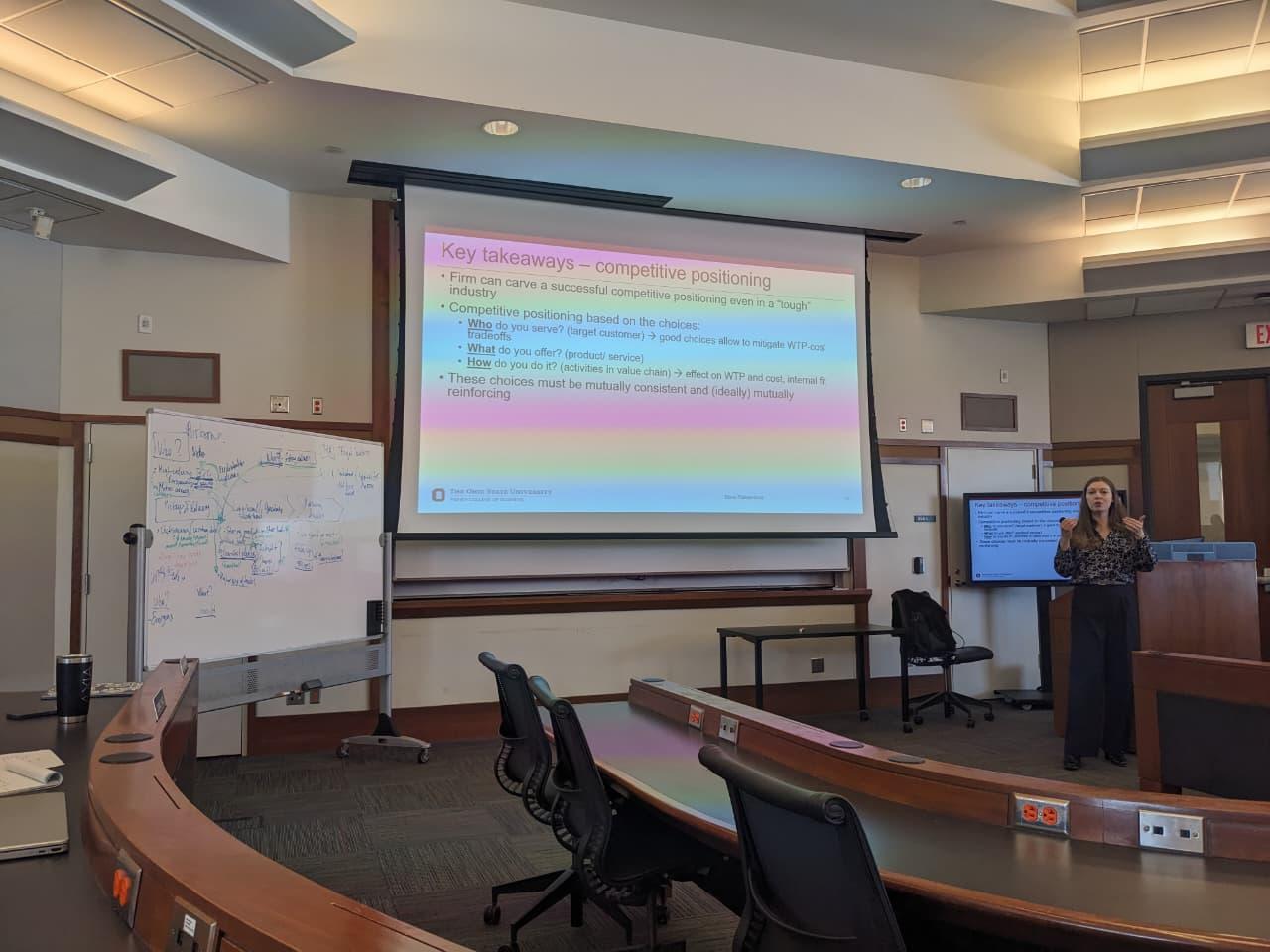
The MBA program is full of a variety of courses, and each offering unique perspective of business. Some of the courses are elective, meaning one has the option to pick and choose those courses, and while others are core courses designed to build a strong foundation. One of the core courses in the second semester of the Full-Time MBA program is Strategy Formulation and Implementation.
Now there is a very famous book by the Chinese military strategist and general Sun Tzu called The Art of War. Surprisingly, the concepts correlate well with modern business strategy, especially in consulting, operations, and competitive markets.
Some of the most interesting ideas that had an impact on me were:
-
Know Thyself and the Market (Situational Awareness): Deep internal analysis combined with external market understanding - today reflected in tools such as SWOT, Five Forces, and market sizing.
-
Strategy Before Action: A clear strategy backed by a robust operating model and ensured by disciplined execution usually turns out to be the separating point between winners and the rest.
-
Win Without Fighting: Compete on Value, Experience, and Innovation, Not Price, while building ecosystems that create stickier customers.
-
Speed and Adaptability: Agile decision-making, and the ability to pivot as customer needs or supply chains change.
-
Leadership and Morale: The high performing organizations invest as much in people and culture as they do in processes.
-
Information Is Power: What spies once were in warfare is now analytics; customer data, competitive intelligence, and real-time dashboards drive smarter decisions.
What really makes this class unique, though, is how it's taught by Prof. Elena Plaksenkova. Her sessions are immensely interactive and based on such deep, probing questions that make us think beyond simple answers. One of my favorite elements of her creative recap style is the "Previously on FTMBA6293" method, which feels like a quick episode summary before diving into new material. It's a small touch, but it makes revisiting key concepts engaging and memorable.
The strategy simulation was a highlight of the course. My cohort was put into the shoes of a shoe manufacturing company, where every decision-from production to price would have real implications in this game-like setting. Just about everyone performed poorly in round one. But rather than just moving along, we stopped as a class, reflected on what worked and what didn't, and made those adjustments. And how did it turn out? Many individuals greatly improved in round two. It was such an important reminder that strategy isn't just about getting it right the first time; it's about learning, adapting, and improving.
Overall, this strategy class goes far beyond frameworks and theory. It brings concepts to life through cases, simulations, and discussion, helping us understand how strategic thinking actually plays out in real organizations.
For me, it’s been a great example of how Fisher combines rigorous academics with practical, hands-on learning and preparing us to think critically and lead confidently in complex business environments.